The Best 2026 Astronomical Events Visible from the UK
Discover the best astronomical events visible from the UK in 2026, from meteor showers and planetary oppositions to solar and lunar eclipses. Plan your stargazing and make the year unforgettable with the Online Star Register.
2026 is shaping up to be a spectacular year for anyone who loves nothing more than staring up at the night sky! Whether you’re a seasoned astronomer with a telescope or just someone who enjoys lying on the grass and watching meteors zip past, there’s something magical happening every few weeks. From intense meteor showers and dazzling planetary oppositions to eclipses and magical Moon meets, here’s your ultimate UK guide to 2026 astronomical events you won’t want to miss!
A Thrilling Start to the Celestial Calendar
Wolf Moon & Quadrantid Meteor Shower (Jan 3–4)
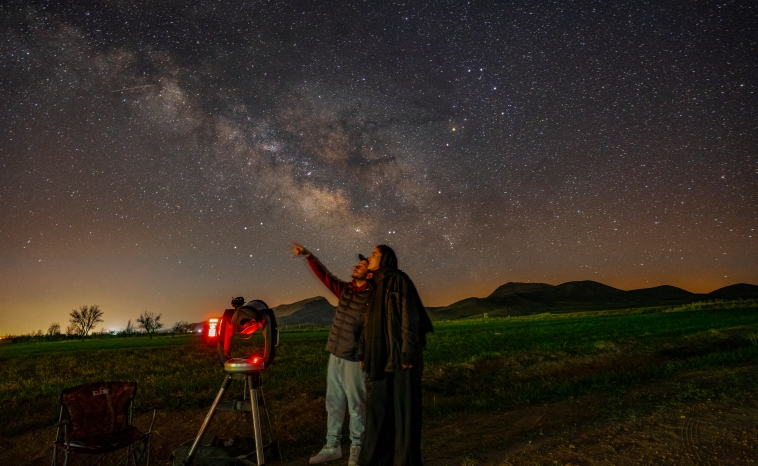
The year kicks off with a full “Wolf Moon” lighting up the night on January 3. That same night, the Quadrantid meteor shower reaches peak activity. Under perfect dark skies, this display can be intense, with dozens of meteors streaking across the sky from the Ursa Major region. Unfortunately, in 2026 the bright Wolf Moon washes out much of the fainter meteors, but you may still catch some fireballs with a bit of persistence.
Pro tip: Head out around midnight and find a dark northern horizon. Let your eyes adapt – stunning flashes are worth the effort.
Jupiter Opposition (Jan 10)
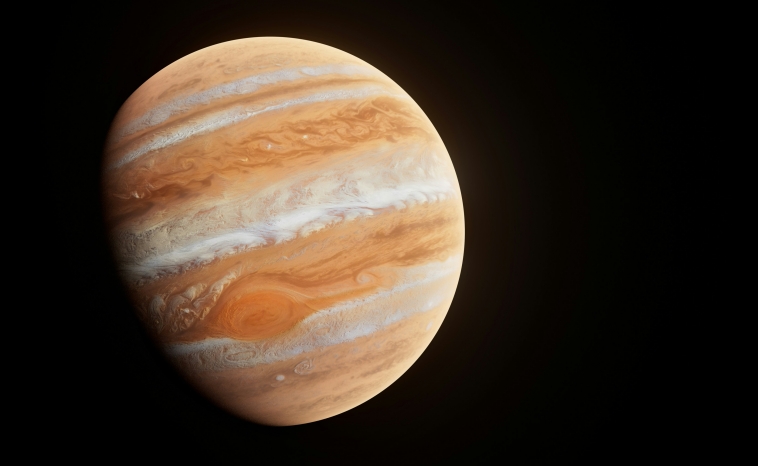
On January 10, mighty Jupiter reaches opposition. That’s astronomer‑speak for when Earth sits directly between Jupiter and the Sun, making the gas giant at its brightest and largest in the night sky. You’ll find Jupiter shining high in the east after sunset, outshining nearly everything except the Moon and Venus.
Grab your binoculars – or your telescope – to spot its cloud bands and the iconic Galilean moons.
Moon & Saturn Conjunction (Jan 23)
Later in the month, on January 23, the Moon pays a close visit to Saturn in the western sky after sunset. While Saturn isn’t as bright as Jupiter, this pairing is still a lovely sight – particularly in the early evening twilight.
Spring Skies & Early Surprises
April Meteor Highlights
Skywatchers can look forward to more meteor action as the year unfolds, including the Lyrids in April – a reliable annual shower – and others like the Eta Aquariids in May. These are great targets for springtime skywatching as nights grow shorter and the weather gets a little milder.
Summer Solstice & Long Nights
Summer Solstice (June 21)
The UK’s longest day occurs on June 21. While that means shorter observing windows at night, it’s a great excuse to grab an evening picnic and watch the sky turn from golden sunset to starry canvas.
Planetary Conjunctions (June)
June also brings lovely planetary moments, including a close evening conjunction of Venus and Jupiter – two of the brightest wanderers in the sky. These bold, gleaming planets will appear near one another just after sunset, offering a spectacle even without any gear.
The Big Summer Shows
Total Solar Eclipse + Perseid Meteor Shower (Aug 12–13)
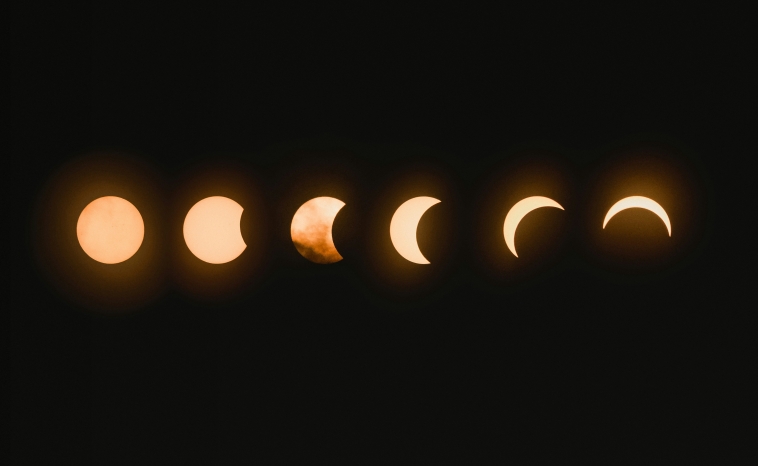
Arguably the blockbuster of 2026: a total solar eclipse on August 12. While totality won’t quite reach UK shores, observers can still catch a deep partial eclipse of up to 90% (depending on your location) if skies cooperate.
Remember: never look directly at the Sun without certified eclipse glasses!
What’s even sweeter is that right after this eclipse peak comes one of the year’s most beloved meteor displays – the Perseid meteor shower. With a New Moon on the night of August 12–13, Jupiter‑Swift‑Tuttle’s debris will blaze paths through a dark sky. Expect dozens of shooting stars per hour, and even fireballs if you’re lucky.
Quick tip: Perseids are best after midnight – find a dark site and settle in for a stellar show.
Partial Lunar Eclipse (Aug 28)
Just over two weeks after the solar eclipse, the partial lunar eclipse on 28 August is another highlight for UK skywatchers. This event occurs when most of the Moon moves into Earth’s shadow but not completely, creating a deep partial eclipse where up to about 90% of the lunar surface can be obscured from view. The eclipse will be visible from the UK in the early hours of the morning, with the Moon low in the southwestern sky as the partial phase unfolds. Finding a clear horizon and a high vantage point will help you catch the best view before the Moon sets.
Lunar eclipses like this are safe to watch with the naked eye, though binoculars or a telescope will enhance surface detail and shading effects.
Autumn Planetary Gems & Meteor Wrappings
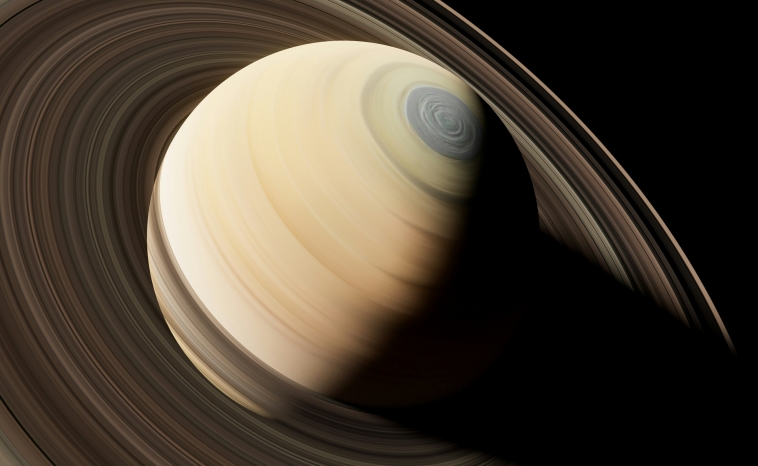
Saturn at Opposition (Oct 4)
While Jupiter steals attention in January, Saturn steals it in October when the ringed beauty reaches opposition. This means it’s at its brightest and ideal for telescopic views of its rings and major moons.
The Orionid meteor shower, which runs from early October into November, also graces the skies – offering swift meteors that trace back to Halley’s Comet.
Winter Finale: Geminids & a Supermoon

Geminid Meteor Shower (Dec 13–14)
Closing the year with brilliance, the Geminids are often called the crown jewel of meteor showers. In mid‑December, Earth plows through debris from asteroid 3200 Phaethon, producing bright, colourful meteors that can reach high hourly rates under good conditions.
This shower’s reputation for steady activity and colourful streaks makes it a must‑watch – even if clouds and winter chills are part of the package.
Christmas Moon (Dec 24)
As the year wraps up, a large full “Christmas supermoon” graces the skies on December 24 – lighting up winter nights and making lunar photography especially atmospheric.
Bonus Events Worth Knowing
Even beyond the big flashes and eclipses, 2026 has:
- Multiple meteor shower peaks throughout the year – from Eta Aquariids to Leonids – giving almost monthly shooting‑star opportunities.
- Planetary pairings and oppositions providing bright, easy targets with or without binoculars.
- Lunar occultations and passes – where the Moon glides near bright stars or planets – adding subtle but elegant moments to your calendar.
And if you’re into astrophotography, 2026’s canvas is filled with excellent subjects – from deep‑sky clusters like the Beehive in early January to the dramatic banded face of Jupiter at opposition.
Quick Tips for UK Skywatchers
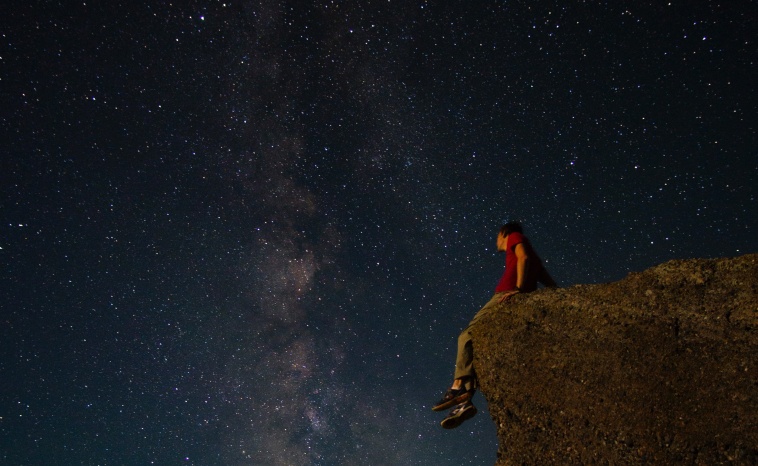
- Dress warm and bring comfort: Even summer nights can be chilly when you’re lying still.
- Dark skies matter: Head for countryside locations if you can – it dramatically boosts visibility.
- Apps are your friend: Use stargazing apps with alerts for conjunctions and meteor peaks.
- Safety first for solar events: Always use ISO‑certified solar glasses or filters when observing anything involving the Sun.
Make 2026 Your Year of Stargazing
2026 is shaping up to be a great year for skywatchers in the UK. With major planetary highlights, classic meteor showers, eclipses both solar and lunar, and cosmic alignments that’ll have you checking the sky calendar each week – there’s never been a better excuse to dust off your binoculars, grab some friends, and look up.
Want to make your stargazing truly personal? With the Online Star Register, you can name a star and track it across the night sky, turning 2026 into a year that’s not only full of cosmic events but also uniquely yours. Explore star naming options and create a keepsake that lasts a lifetime.