Best Meteor Showers of the Year (and How to See Them!)
Discover the top meteor showers of the year, including when to see them, where they come from, and tips for catching the best views in the night sky.
Few natural spectacles rival the sheer magic of meteor showers. These cosmic light shows transform the night sky into a dazzling stage as dozens – or even hundreds – of shooting stars flash across the heavens. And the best part? They’re completely free to enjoy, with no special equipment required!
In this article, we’ll walk you through the very best meteor showers of the year, sharing essential info on when and where to see them, and what causes them in the first place. So, whether you’re a seasoned stargazer or simply someone who loves a good lightshow, this guide will help you catch nature’s fireworks at their finest!
What Is a Meteor Shower?
Before we dive into the calendar, let’s cover off a few of the basics.
A meteor shower occurs when Earth passes through a stream of debris left behind by a comet or asteroid. As tiny particles of dust and rock collide with our atmosphere at incredible speeds, they burn up, creating streaks of light that we call meteors – or shooting stars!
Each meteor shower is named after the constellation from which the meteors appear to radiate, which we call the radiant point. So, for example, the Perseids radiate from the constellation Perseus, while the Leonids radiate from the constellation Leo. Makes sense, right?!
How to Watch Meteor Showers
Watching a meteor shower is easy and doesn’t require any special equipment. But a few tips can go a long way towards improving your chances of seeing a good display:
- Go somewhere dark: Avoid city lights and find a location with an unobstructed view of the sky.
- Let your eyes adjust: It takes about 20-30 minutes for your eyes to fully adapt to darkness.
- Bring blankets and snacks: Comfort is key! A reclining chair, warm clothing, and a few tasty refreshments will help make the wait much more enjoyable.
- Look up and be patient: Meteors can appear anywhere in the sky, not just near the radiant.
- Check the Moon phase: A bright Moon can wash out fainter meteors, so, if possible, aim for nights with little or no moonlight.
- Use a star app: Tools like the OSR Star Finder App can help you locate the radiant and surrounding constellations.
Now let’s take a look at the top meteor showers you won’t want to miss!
Best Meteor Showers of the Year
January: Quadrantids
- Peak: Early January (usually Jan 3-4)
- Rate: Up to 120 meteors/hour
- Radiant: Near the extinct constellation Quadrans Muralis (now part of Boötes)
- Parent Body: Asteroid 2003 EH1
Why it’s special: The Quadrantids produce bright fireballs and have one of the shortest, most intense peaks of any meteor shower – lasting just a few hours.
Viewing tip: If you can brave the cold, this is a spectacular way to kick off the year!
April: Lyrids
- Peak: Around April 21-22
- Rate: 15-20 meteors/hour
- Radiant: Lyra
- Parent Body: Comet C/1861 G1 Thatcher
Why it’s special: One of the oldest recorded meteor showers, with sightings dating back over 2,700 years. Occasionally produces surprise outbursts.
Viewing tip: Look for fast meteors with long trails. Best viewed in the hours before dawn.
May: Eta Aquariids
- Peak: May 5-6
- Rate: 20-50 meteors/hour (more in Southern Hemisphere)
- Radiant: Aquarius
- Parent Body: Halley’s Comet
Why it’s special: Though less well-known than some other showers, this one produces fast-moving meteors and can be a real treat for early risers.
Viewing tip: Best seen from the Southern Hemisphere. Northern Hemisphere observers may still catch a decent show though!
July: Delta Aquariids
- Peak: July 28-30
- Rate: 15-25 meteors/hour
- Radiant: Aquarius
- Parent Body: Possibly Comet 96P/Machholz
Why it’s special: Often overshadowed by the Perseids, but still a good warm-up with a decent rate and slower, long-lasting meteors.
Viewing tip: The radiant rises in the southeast in late evening, so plan for a night under the stars.
August: Perseids
- Peak: August 11-13
- Rate: 60-100+ meteors/hour
- Radiant: Perseus
- Parent Body: Comet Swift–Tuttle
Why it’s special: The Perseids are the most popular meteor shower of the year due to their high rate, bright meteors, and warm summer weather.
Viewing tip: Perfect for family stargazing sessions or summer camping trips. Try to catch the peak between midnight and dawn.
October: Draconids
- Peak: October 8-9
- Rate: Variable – typically, you can expect 5-20 meteors/hour, but this one can sometimes produce bursts of 100+ meteors/hour!
- Radiant: Draco
- Parent Body: Comet 21P/Giacobini-Zinner
Why it’s special: An unpredictable shower that can go from a whimper to a roar with very little notice!
Viewing tip: Unlike most meteor showers, the Draconids are best viewed in the evening, shortly after nightfall.
October: Orionids
- Peak: October 20-22
- Rate: 20-25 meteors/hour
- Radiant: Orion
- Parent Body: Halley’s Comet
Why it’s special: The Orionids are known for their speed and occasional fireballs. They’re one of two showers linked to Halley’s Comet.
Viewing tip: Set up after midnight and look toward Orion rising in the east.
November: Leonids
- Peak: November 17-18
- Rate: 15-20 meteors/hour (but can produce meteor storms every 33 years)
- Radiant: Leo
- Parent Body: Comet Tempel-Tuttle
Why it’s special: The Leonids are legendary for their meteor storms. In 1833 and 1966, rates reached thousands of meteors per hour!
Viewing tip: Though recent years have been quieter, the Leonids are still a reliable shower with the potential for surprises.
December: Geminids
- Peak: December 13-14
- Rate: 100-120 meteors/hour
- Radiant: Gemini
- Parent Body: Asteroid 3200 Phaethon
Why it’s special: One of the most active and reliable showers of the year. Meteors are bright, plentiful, and colourful, making the Geminids a winter highlight.
Viewing tip: Bundle up and enjoy the show after 10 PM. The Geminids tend to get better as the night goes on.
Honorable Mentions
- Ursids (December 22): A minor shower with rates around 5-10 meteors/hour, but can occasionally spike.
- Southern Delta Aquariids (late July): Best viewed from the Southern Hemisphere.
- Alpha Capricornids (late July): Low rate, but known for the occasional bright fireballs.
Meteor Shower Calendar at a Glance
| Month | Shower | Peak Dates | Meteors/hour | Visibility |
| January | Quadrantids | Jan 3-4 | 120 | Northern Hemi |
| April | Lyrids | Apr 21-22 | 20 | Global |
| May | Eta Aquariids | May 5-6 | 50 (South) | Southern Hemi |
| July | Delta Aquariids | Jul 28-30 | 25 | Global |
| August | Perseids | Aug 11-13 | 100+ | Northern Hemi |
| October | Draconids | Oct 8-9 | Variable | Northern Hemi |
| October | Orionids | Oct 20-22 | 25 | Global |
| November | Leonids | Nov 17-18 | 15-20 | Global |
| December | Geminids | Dec 13-14 | 120 | Global |
Make the Night Even More Magical
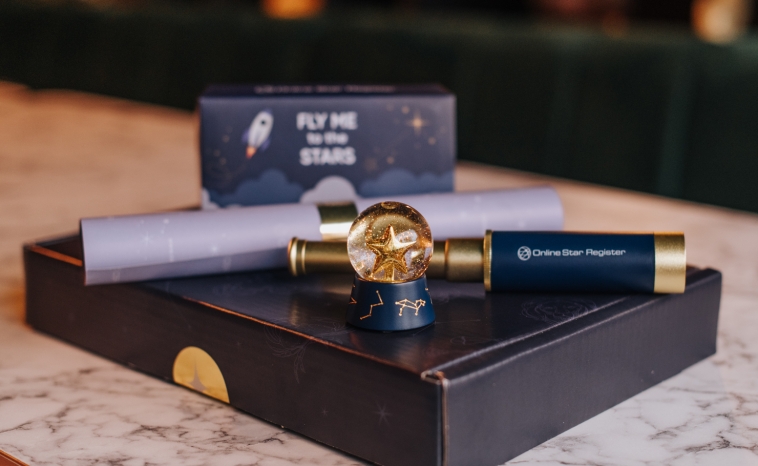
Watching meteors streak across the sky is one of the most awe-inspiring experiences in amateur astronomy. But why stop there? With the Online Star Register, you can go one step further and name a star for someone special.
It’s the perfect gift for:
- Stargazers and astronomy lovers
- Birthdays or anniversaries
- Romantic gestures
- Memorials and tributes
Each star naming package includes:
- A personalised star certificate
- A star map showing your star’s location
- Access to the OSR Star Finder App
- Digital and physical gift options available
Choose from our Online Star Gift, OSR Gift Pack, Super Star Gift, or a flexible OSR Gift Card!