What Would the Night Sky Look Like From Other Planets?
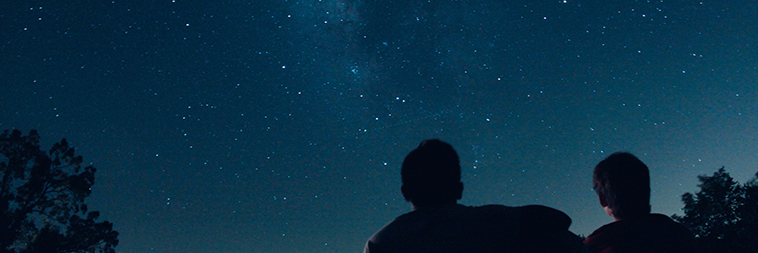
What would the night sky look like from Mars, Venus, or Jupiter? Explore how stars and constellations change across the Solar System.
When we look up at the night sky from Earth, we see a familiar view. The Moon, the Milky Way, recognisable constellations, and a handful of bright planets all form part of a shared human experience. But this view is not universal.
If you were standing on another planet in our Solar System, the night sky would look very different. Some objects would appear brighter, others would vanish entirely, and familiar constellations would lose their shapes altogether.
So what would the night sky look like from other planets? And what does that tell us about how we understand the universe from Earth? It’s time to take a quick trip through our solar system to find out!
Why the Night Sky Changes From Planet to Planet
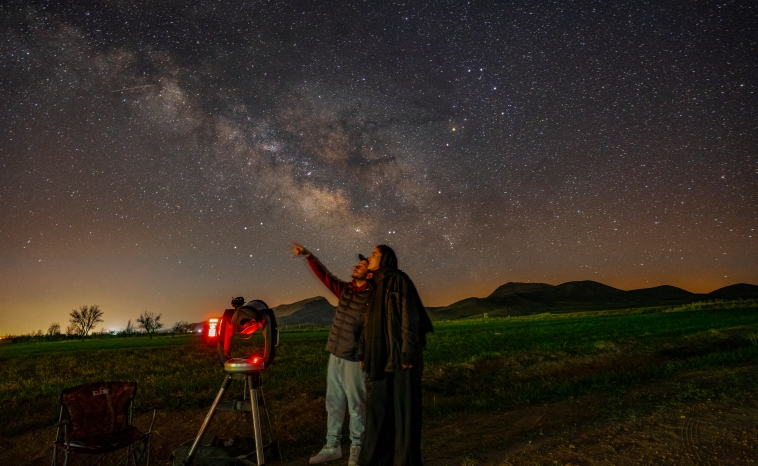
The appearance of the night sky depends on several key factors.
Your position in space plays a major role. Moving even a small distance on a cosmic scale changes how stars line up against one another. This effect, known as stellar parallax, means that constellations only appear fixed from Earth’s point of view.
Atmosphere also matters. Some planets have thick, cloudy atmospheres that obscure the stars, while others have little or no atmosphere at all. Light pollution, dust, and weather all influence what can be seen.
Finally, nearby objects dominate the view. From another planet, Earth might appear as a bright star, while the Sun could look larger, smaller, or more intense depending on distance.
With those factors in mind, let’s explore how the night sky might appear from different worlds.
What the Night Sky Would Look Like From Other Planets
The View From Mercury
Mercury has almost no atmosphere, meaning there is no scattering of light. In theory, this would allow for a very dark, clear sky.
However, Mercury’s proximity to the Sun changes everything. The Sun would appear around three times larger in the sky than it does from Earth, and its intense brightness would dominate much of the view.
Temperatures on Mercury swing dramatically between day and night. During the long Mercurian night, the stars would appear sharp and unmoving, with no atmospheric twinkling.
Constellations would be slightly distorted compared to how we see them from Earth, but still recognisable, as Mercury is relatively close to our planet on a cosmic scale.
The Night Sky From Venus
Venus presents a very different picture. Its thick, carbon dioxide-rich atmosphere is permanently covered in dense clouds. These clouds reflect most visible light, making the surface extremely bright during the day but limiting visibility at night.
From the surface of Venus, the stars would be difficult to see, if visible at all. The Sun would appear slightly smaller than from Earth, but still bright enough to illuminate the sky through the clouds.
If you could see through the atmosphere, Earth would appear as a bright object in the sky, sometimes visible as a morning or evening “star”.
Venus shows us how atmosphere alone can drastically alter the experience of the night sky.
What Would You See From Mars?
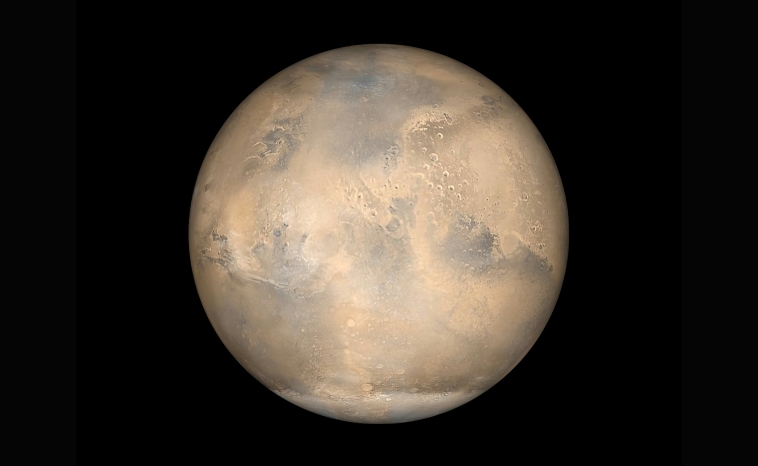
Mars offers one of the most Earth-like views of the night sky.
Its thin atmosphere allows stars to be seen clearly, though not quite as sharply as on an airless world like Mercury. Dust in the atmosphere can sometimes reduce visibility, especially during global dust storms.
From Mars, Earth would appear as a bright, bluish star, often accompanied by the Moon as a nearby point of light. The Sun would look smaller, since Mars is farther away from it than Earth is.
The familiar constellations would still exist, but their shapes would be subtly altered due to Mars’ different position in space. Over time, those changes would become noticeable.
Mars demonstrates how even small shifts in location can change our perception of the sky.
The View From Jupiter and Its Moons
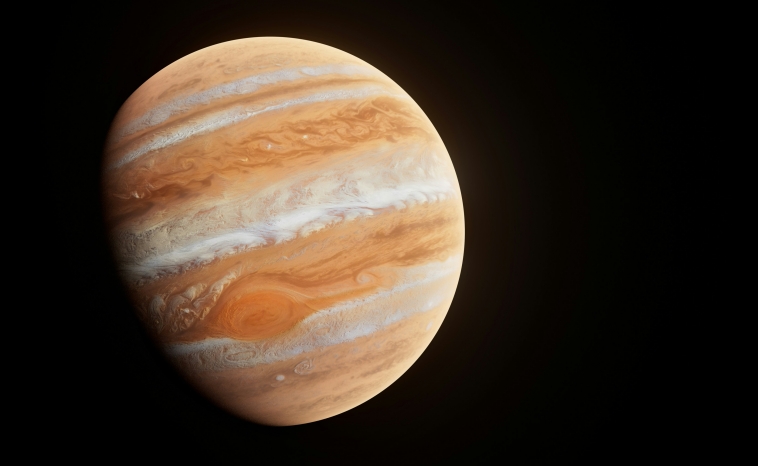
Jupiter itself does not have a solid surface, so imagining a night sky there is hypothetical. However, its large moons provide more realistic viewpoints.
From moons like Europa or Ganymede, Jupiter would dominate the sky, appearing many times larger than the Moon does from Earth. Its cloud bands and Great Red Spot would be clearly visible.
The Sun would appear much smaller and dimmer due to Jupiter’s greater distance. The stars would still be visible, but fainter than from Earth.
Jupiter’s moons would also see frequent eclipses, with the Sun regularly blocked by the planet itself. This would create dramatic changes in light and darkness.
Saturn’s Rings and the Night Sky
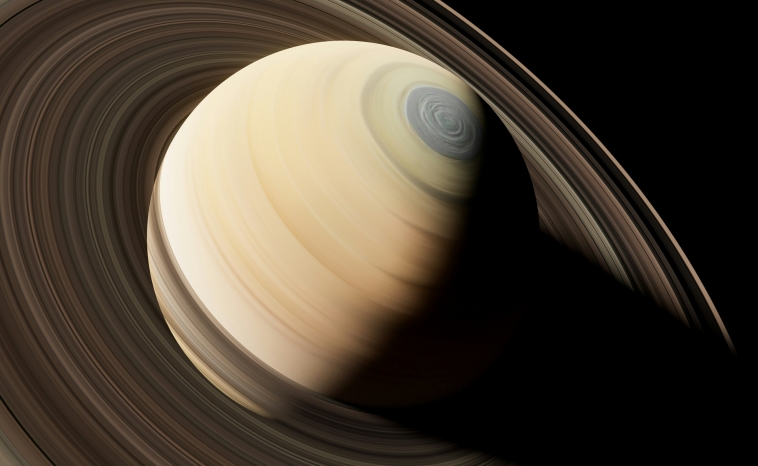
Saturn’s moons offer one of the most visually striking night skies imaginable.
From the surface of a moon like Titan, Saturn’s rings would stretch across the sky as vast arcs of light. Depending on location and season, they could block sunlight or cast shadows across the surface.
Titan’s thick atmosphere would limit visibility, much like Venus, but other moons with thinner atmospheres would provide clearer views.
The Sun would appear smaller still, and the stars fainter, but the sheer scale of Saturn and its rings would make the sky feel dominated by the planet itself.
What About the Outer Planets?
From Uranus and Neptune, the Sun would appear as a bright star rather than a blinding disc. Daylight would be dim, and the transition between day and night would be subtle.
Stars would be visible in darker skies, but overall brightness would be much lower. The familiar constellations would be heavily distorted due to the immense distance from Earth.
These distant planets highlight how much our view of the universe is shaped by proximity to the Sun.
Would the Milky Way Look Different From Other Planets?
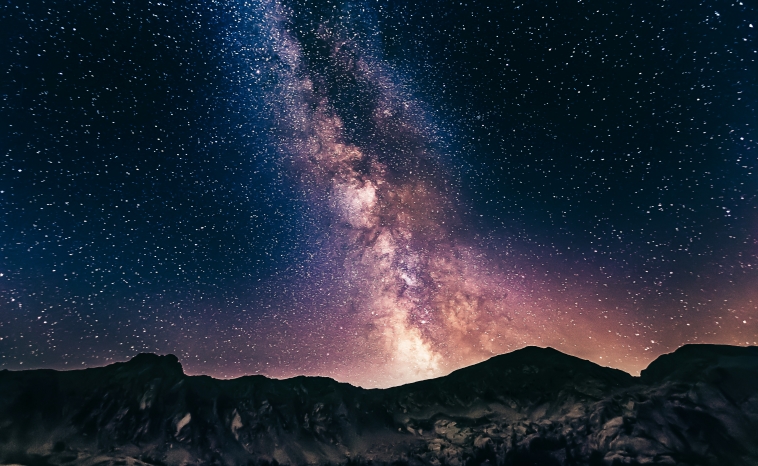
The Milky Way would still be visible from other planets, but its appearance would vary.
From worlds with clear skies and little light pollution, it could appear even more dramatic than it does from Earth. From planets with thick atmospheres, it might be partially or completely obscured.
The Milky Way’s overall shape would remain recognisable, but its position in the sky would shift depending on latitude, axial tilt, and time of year.
Explore the Night Sky From a New Perspective
You don’t have to leave Earth to see the night sky differently. By learning how constellations form, how planets move, and how perspective shapes what we see, the stars stop feeling like a fixed backdrop and start to reveal themselves as part of a living, shifting system.
With tools like the OSR Star Finder App and personalised star maps, it’s easy to explore how the sky changes depending on your location and the time of year, and to understand why certain stars appear exactly where they do.
If you’d like to create a more personal link to the universe, naming a star with OSR is a thoughtful way to do it. From the Online Star Gift to the OSR Gift Pack and the Super Star Gift, each option offers its own way to celebrate curiosity and bring the wonder of space a little closer to home.