


"Receiving a star in my name felt like the universe said, 'Hey, you're loved on a cosmic scale.' It's an original, wildly romantic gesture that warmed my heart."
— Charlie, London

"Our anniversary gift truly left us speechless. Discovering that a star now holds both our names feels magical. We never imagined our love would be etched into the night sky, and knowing it's there is something deeply moving."
— Adam & Nina, Amsterdam

"I was really moved by the Super Star Gift from OSR. Knowing there's a unique point in the universe my partner chose just for me means more than I can say. After everything I've learned about love, a gesture like this feels intimate and I will treasure this gift always."
— James, Phuket

"After saying goodbye to my loyal companion of so many years, my heart has felt unbearably heavy. Receiving a star in his name brought me to tears. I framed the certificate beside his photo, a small altar of love. Now his memory shines both here with me and forever in the sky."
— Dani, San Sebastián

"We lost our daughter Belle to stillbirth, and the pain has been beyond words. Having a star registered in her name has offered us a quiet place of comfort. When we look up at the night sky, we feel just a little closer to her. Thank you for creating something so meaningful during our darkest time."
— Elsa & Johan, Stockholm

Name a Star with OSR
Select the perfect present for your occasion
Golden Luxury Gift
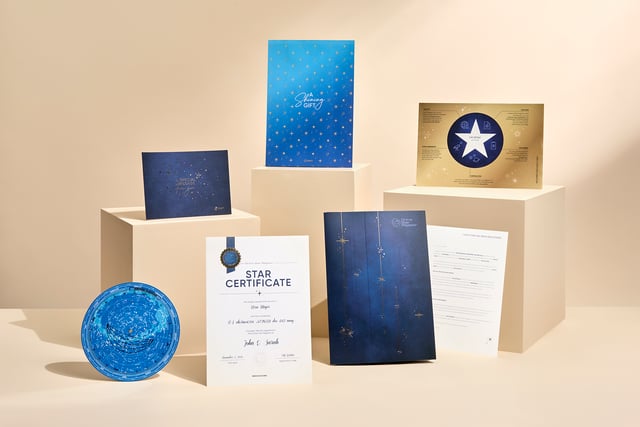

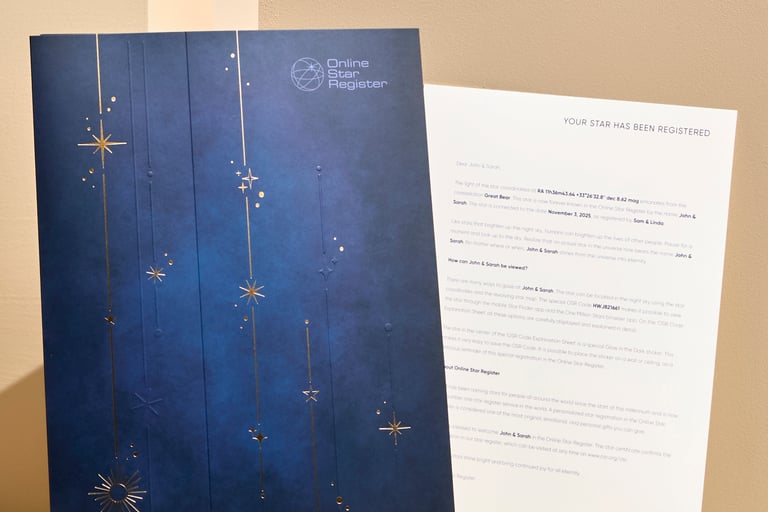
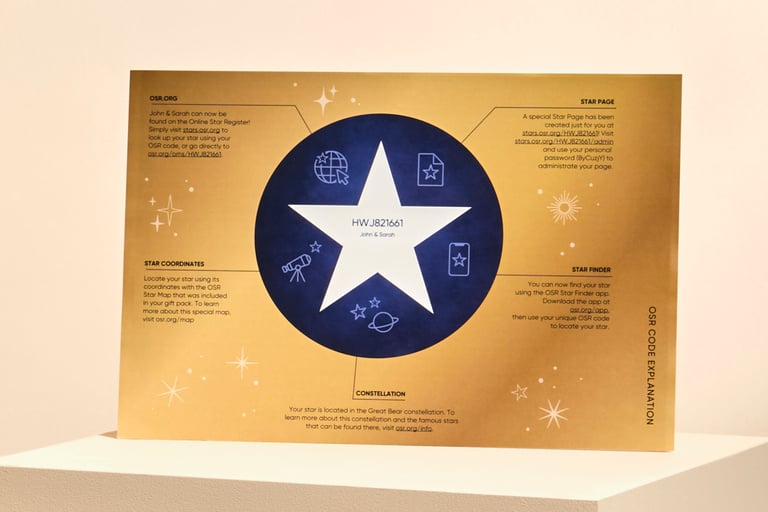


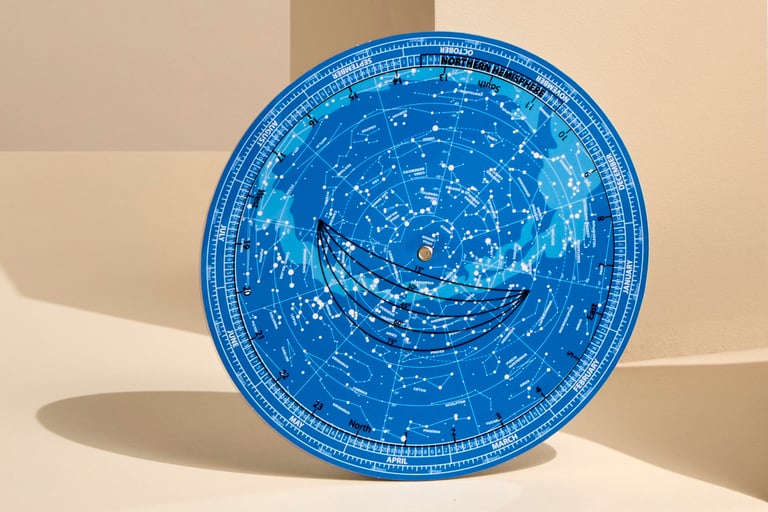
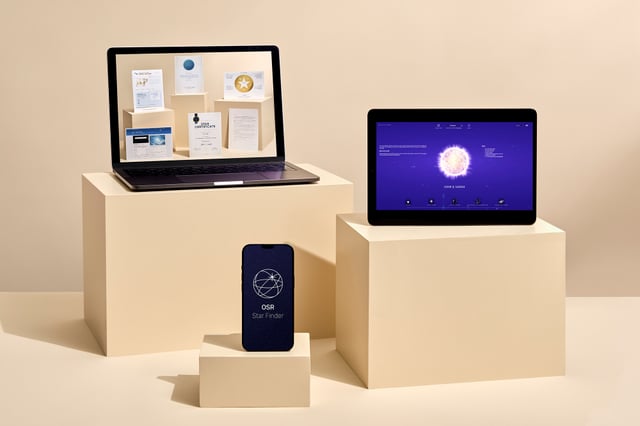

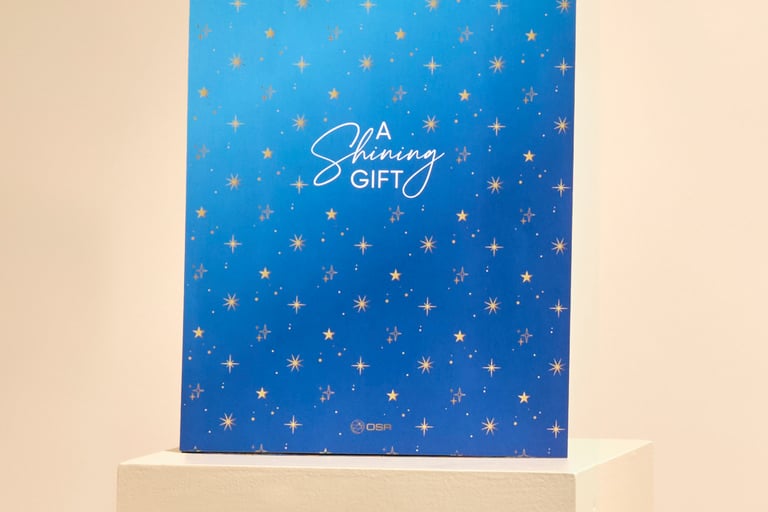
- Premium gift pack
- Tracked shipping
- Downloads included
Digital Gift Experience
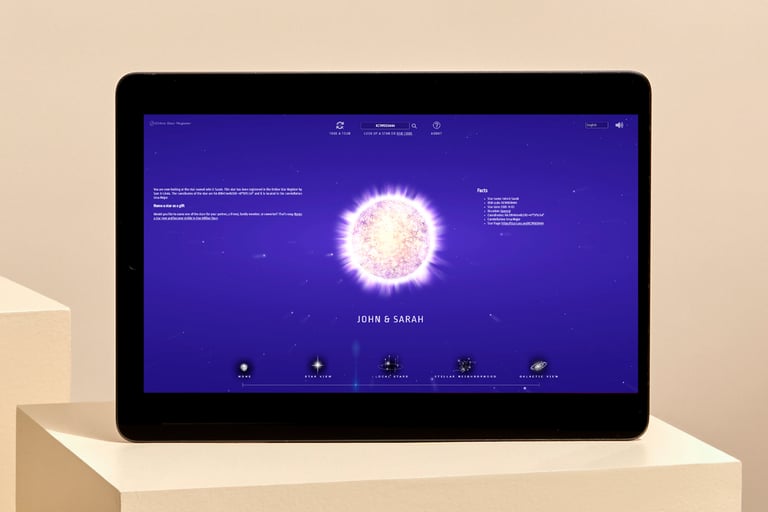
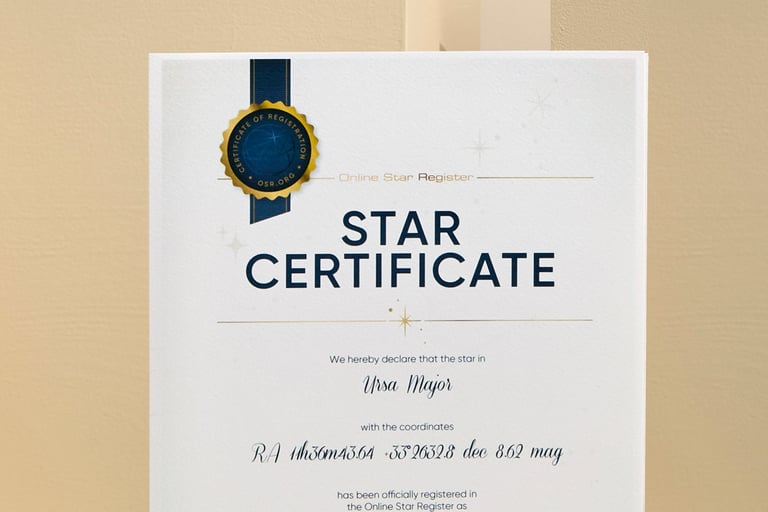
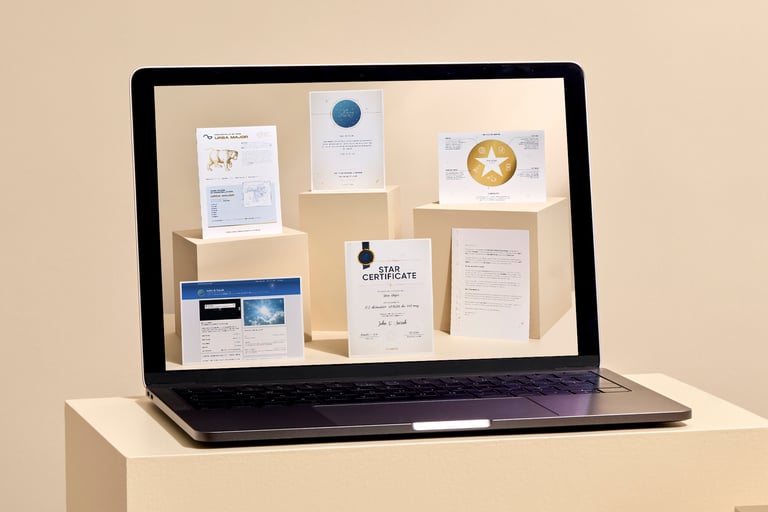
- Digital gift pack
- Instant PDF delivery
- All apps and visualisations
Golden Luxury Gift
- Premium gift pack
- Tracked shipping
- Downloads included
Platinum Luxury Gift
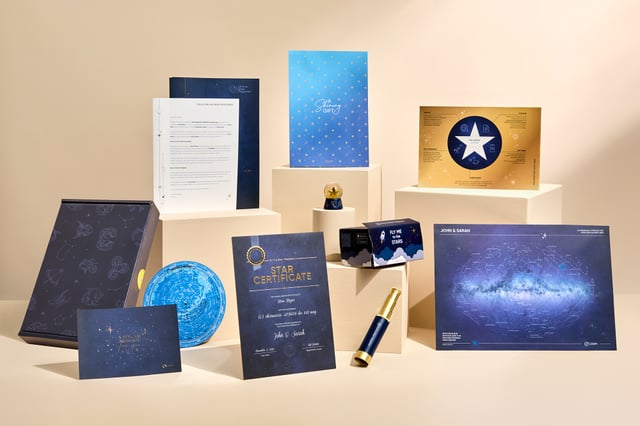





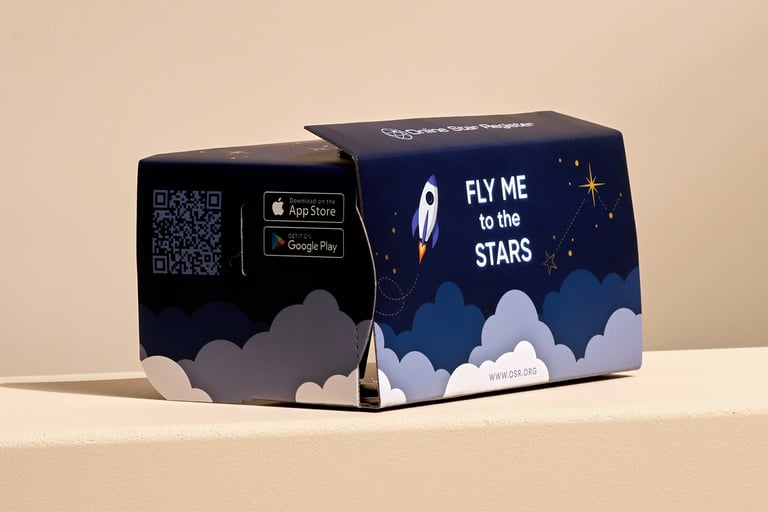

- Luxury gift box
- Tracked shipping
- Everything included
How can we help you today?
Online Star Register: A Gift That Lasts Forever

Since 2001, Online Star Register (OSR) has been dedicated to creating the most heartfelt gift experience in the universe.
"OSR was founded on the enduring vision and guiding spirit of my late husband. We honor his legacy by bringing profound comfort and lasting joy worldwide through our unique star gifts. For any occasion, be it a special celebration or an eternal memorial, naming a star with OSR is truly a gift that lasts forever."

"OSR was founded on the enduring vision and guiding spirit of my late husband. We honor his legacy by bringing profound comfort and lasting joy worldwide through our unique star gifts. For any occasion, be it a special celebration or an eternal memorial, naming a star with OSR is truly a gift that lasts forever."
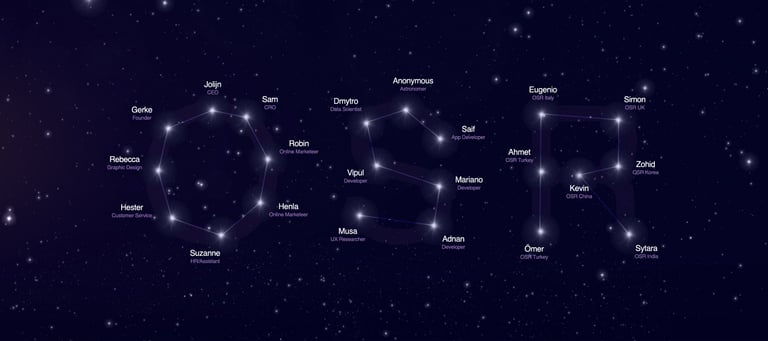
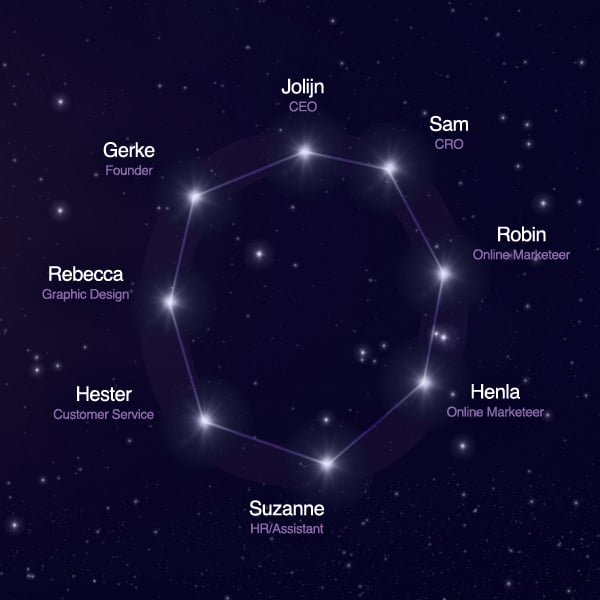
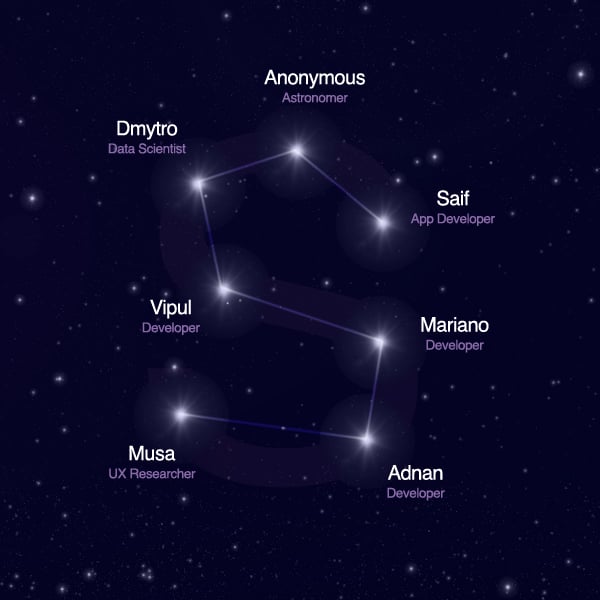
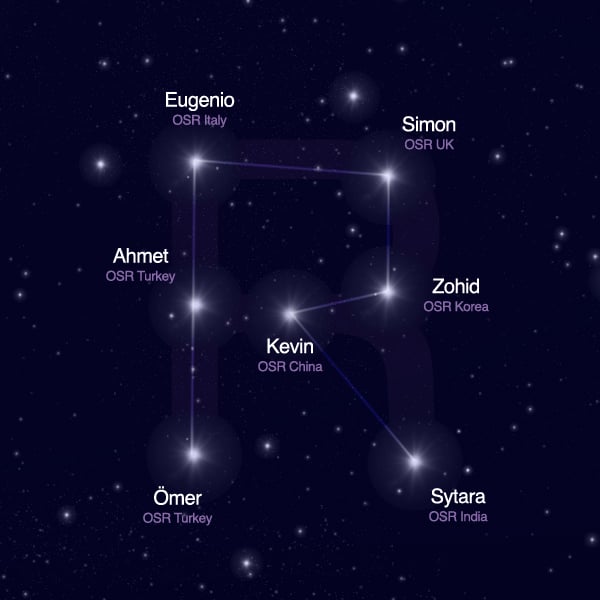
🔭Our Anonymous Astronomer
Behind our astronomical data and applications stands a world-class astrophysicist who prefers to work behind the scenes. We call him our Anonymous Astronomer.
Together with our data scientists and designers, the Anonymous Astronomer creates stunning visualisations of the night sky. By combining astronomical data with cutting-edge technology, we bring the magic of the stars to you.

Insider Tip from our Anonymous Astronomer:
Frequently Asked Questions
Try: , , ,
- Name a star by choosing one of our beautiful gift options and wide selections of gift themes.
- Personalize your star by choosing a constellation, star name, and star date. Registering a personalized star is a great way to commemorate a special occasion or event!
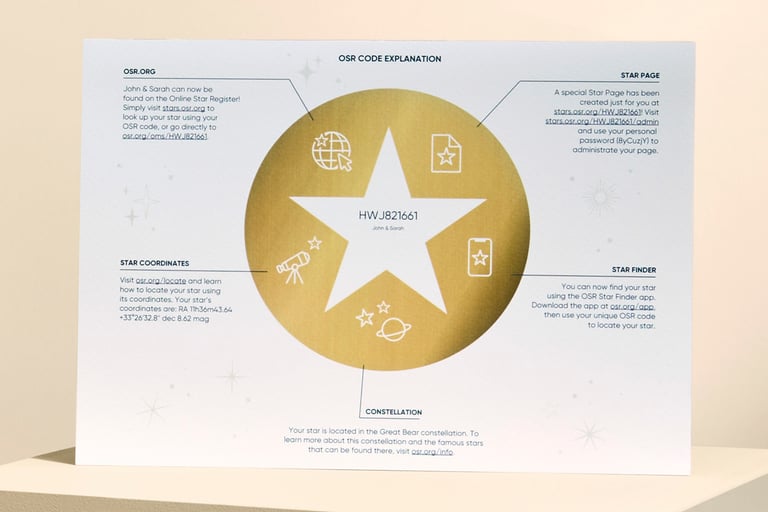
- Buy a star present now and within minutes, you can look up the star in the Online Star Register, you can find your star with our Star Finder App and we will create a Star Page you can customize.
See how you can .
So go ahead, and .
Physical Packages: Delivery times vary by location and package type. Use the tool below to check the estimated delivery time for your country:
Express shipping options with UPS (48-72 hours) are available for faster delivery to most countries. You'll receive tracking information once your package ships.
Any other questions?
We're here to help! Log in to your account to check your order status,
or use the form below to reach our team.
Contact Information
Naming a star is the most original gift in the universe!
If you're looking for a truly unique gift for that special someone, then buying a star in the Online Star Register is just right for you. To name a star is the most original gift in the universe!
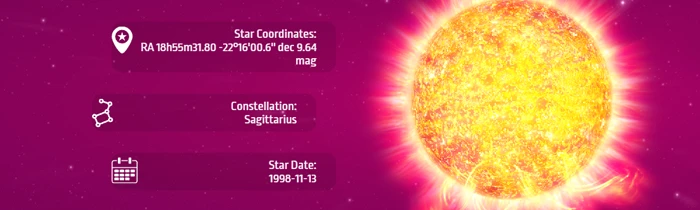
The Online Star Register: Your place in the universe
The Online Star Register allows you to name your very own star as a gift. Each star registration is connected to a unique code that will help you locate your star. Explore the details of your star and view the star name, star date, star color and more. Find out what your star looks like and discover its place in the night sky!

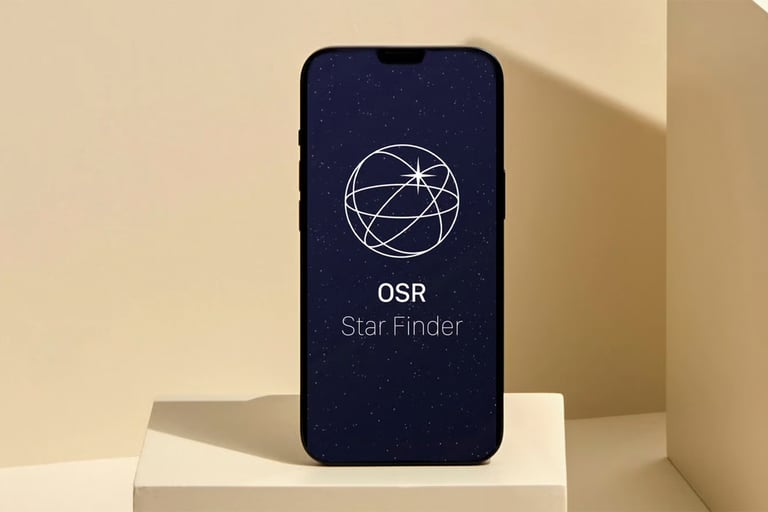
Locate Your Own Star in the Night Sky with the OSR Star Finder App
The Online Star Register offers a free mobile app for iOS and Android to locate stars and constellations in the night sky. Naming and finding a star registered with the Online Star Register (OSR) is even easier with the Star Finder App. Pinpoint a specially named star's location in the sky with a unique star code, or browse constellations based on your location.
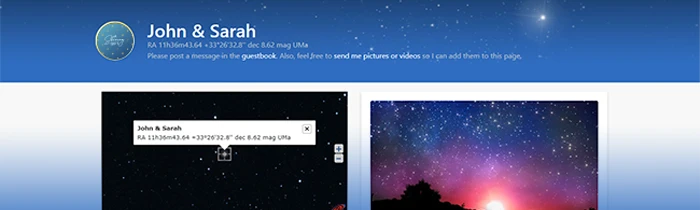
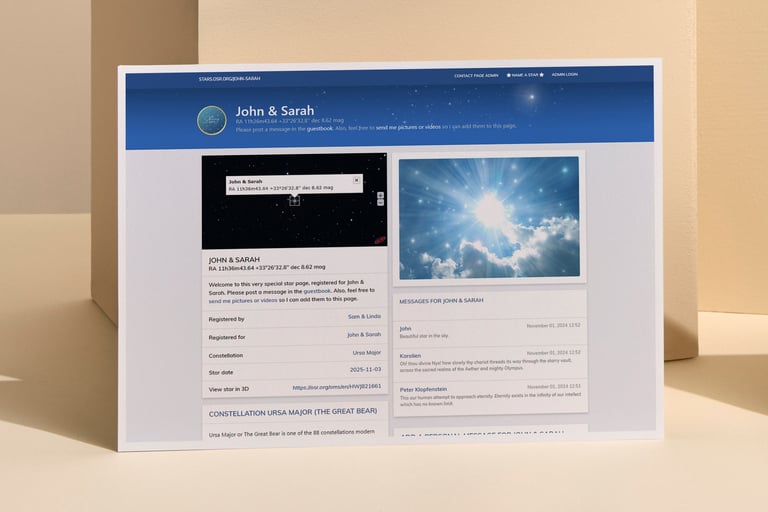
Personalize your Star Gift with the free Star Page
The Online Star Register offers a free Star Page with the purchase of any star gift. Create a personalized experience that a friend, family member, or coworker will never forget by naming a star and creating a customized star page with the Online Star Register (OSR). Write a welcome message, upload photos, and much more.
One Million Stars: Explore Our Galactic Neighborhood
Discover the universe from the comfort of your own home with the One Million Stars App. It's a revolutionary way to travel the stars from your web browser. The One Million Stars App allows you to view one million stars, including stars named by astronomers, as well as personalized stars named in the Online Star Register (OSR). Fly through the universe and experience the stars and the galaxy in 3D!

NEW: Fly to the stars with our VR app
Use the OSR Fly me to the stars VR app to visit the planets and learn about the 88 constellations in our night sky. Play to "connect the stars" and unlock information about each constellation. Fly to your own special star, view the details and share them with loved-ones. The free mobile VR App is available for iOS and Android. Download the app now and fly to the stars!

Online Star Register
A Gift That Lasts Forever