Future Space Exploration: What’s Next for Humanity?

Discover the exciting future of space exploration, from Artemis Moon missions to Mars colonies and interstellar dreams. Explore humanity’s next giant leap today.
Humanity has always looked to the stars with wonder. For centuries, we’ve gazed at the night sky, imagining what lies beyond our little corner of the universe. In just the past 60 years, we’ve gone from the first satellites to landing astronauts on the Moon, launching rovers across Mars, and sending spacecraft into interstellar space. But this is only the beginning. The future space exploration of the coming decades promises to be some of the most exciting in human history as we prepare to step further into the cosmos.
But what does the future of space exploration hold? Let’s take a look at both the near-term missions already on the horizon and the longer-term possibilities that may shape humanity’s journey among the stars!
Near-Future Space Exploration
Space Exploration Technologies Corp., CC0, via Wikimedia Commons
Space Exploration Technologies Corp., CC0, via Wikimedia CommonsArtemis and the Return to the Moon
After more than half a century, humans are preparing to walk on the Moon again. NASA’s Artemis programme, supported by international partners, aims to land astronauts on the lunar surface by the mid-2020s. But unlike Apollo, Artemis aims to take things up a notch from planting flags, taking photos, and getting in a spot of golf!
The Artemis missions will test new technologies, including the powerful Space Launch System (SLS) rocket and the Orion spacecraft. Plans include building the Lunar Gateway, a small space station orbiting the Moon, which will serve as a staging post for lunar landings and eventually Mars missions. By learning how to live and work on another world, Artemis could be the first step toward a permanent off-Earth civilisation, and a sustainable human presence on the Moon.
Mars Missions
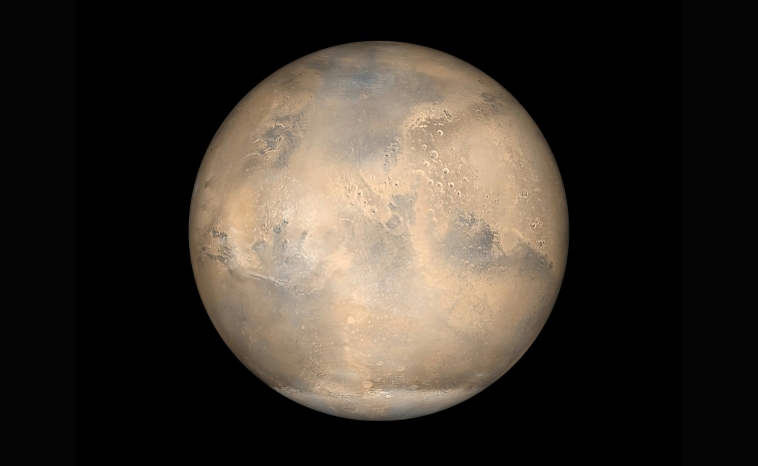
Mars has always fascinated scientists and storytellers alike, and sending humans there has long been one of the ultimates goal of space exploration. Robotic missions like Perseverance and Curiosity are already revealing the Red Planet’s secrets, but the next step is getting people on its surface.
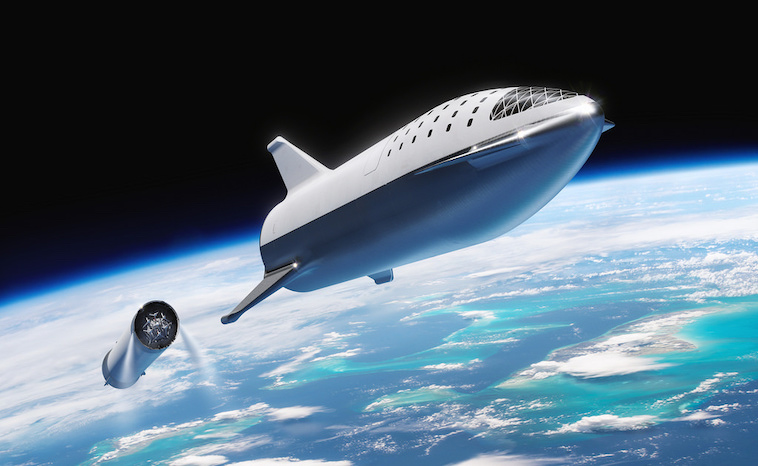
NASA has outlined tentative plans for crewed missions to Mars in the 2030s, while SpaceX has far more ambitious goals. Elon Musk’s company envisions its Starship spacecraft ferrying settlers to Mars within the next decade, potentially laying the foundations of a permanent colony. Whether or not that timeline holds, the coming decades are likely to see serious attempts to make Mars exploration a reality.
Commercial Spaceflight
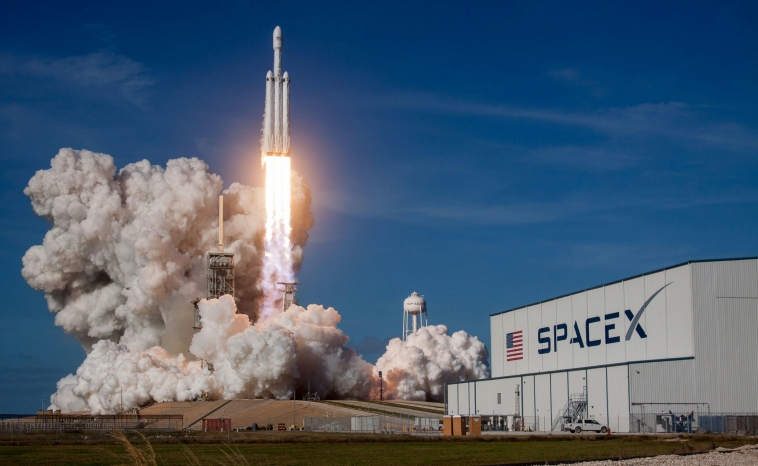
Space was once the sole domain of governments, but today private companies are reshaping the industry. SpaceX has already demonstrated its ability to launch astronauts and cargo to the ISS, while companies like Blue Origin and Virgin Galactic are pioneering space tourism.
In the near future, commercial ventures could make access to orbit routine. Starship, in particular, has the potential to revolutionise space travel with its massive payload capacity and reusable design. Cheaper launches mean greater opportunities for science, industry, and even ordinary people to take part in humanity’s expansion into space.
Space Stations and Orbital Habitats
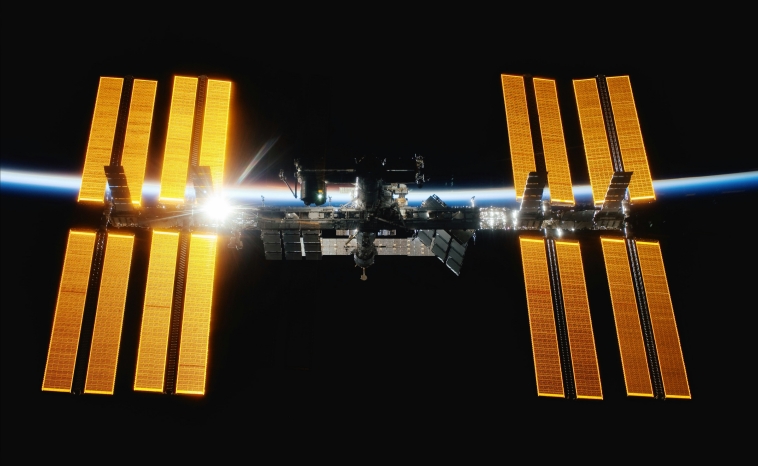
The International Space Station has been a remarkable hub for science and cooperation for more than two decades, but it won’t last forever. Several private companies are already developing plans for next-generation orbital habitats.
Axiom Space intends to build the first commercial space station, while Orbital Reef – a project backed by Blue Origin and Sierra Space – envisions a “business park in space” for research, manufacturing, and tourism. These platforms could pave the way for permanent human life in orbit, with entire communities working and living off Earth.
Asteroid Mining and Planetary Defence
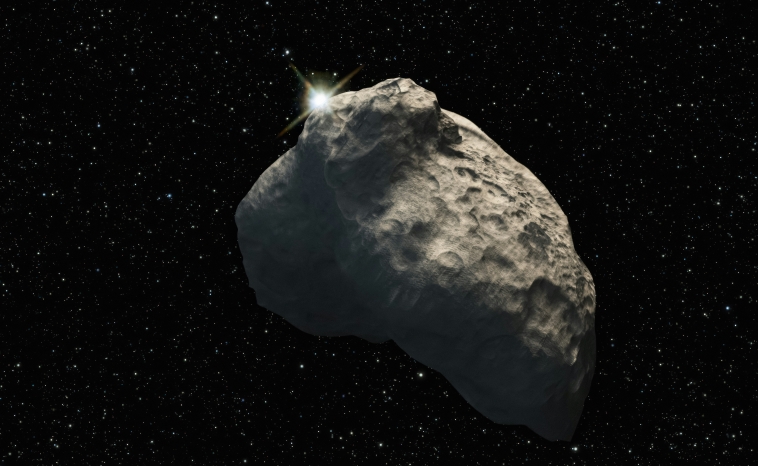
Asteroids are so much more than just cosmic debris and inspiration for doom-laden science fiction movies! They’re rich in metals, water, and other valuable resources. Companies and space agencies are exploring the possibility of mining asteroids, both for use in space construction and for economic benefit back on Earth.
At the same time, planetary defence is a growing priority. NASA’s DART mission successfully tested a method of deflecting an asteroid in 2022, proving that humanity can protect itself from future threats. With recently discovered near-Earth objects like asteroid 2024 YR4 reminding us of the risks, asteroid detection and deflection systems are likely to become essential parts of space exploration in the near future.
The Possibilities of Long-Term Space Exploration

Permanent Lunar and Martian Colonies

If Artemis and future Mars missions succeed, permanent colonies may be the natural next step. A lunar base could serve as a training ground for deep-space operations, while Mars offers the tantalising possibility of becoming humanity’s “second home”.
Building these colonies will be no small feat. They’ll require sustainable habitats, renewable power sources, and advanced life-support systems. Yet the rewards could be immense, potentially ensuring humanity’s survival if Earth faces disaster, and providing a springboard for further exploration of the solar system.
Terraforming Worlds
Science fiction has long imagined reshaping entire planets to suit human needs. The concept of terraforming, altering the atmosphere, temperature, and landscape of a world, has been proposed for Mars, Venus, and even some moons.
While the technology is far beyond our current capabilities, researchers have explored theoretical methods, such as releasing greenhouse gases on Mars to warm the planet or using giant orbital mirrors to reflect sunlight. Whether terraforming is feasible, or even ethical, remains hotly debated, but the idea continues to inspire visions of humanity’s future among the stars.
Interstellar Travel
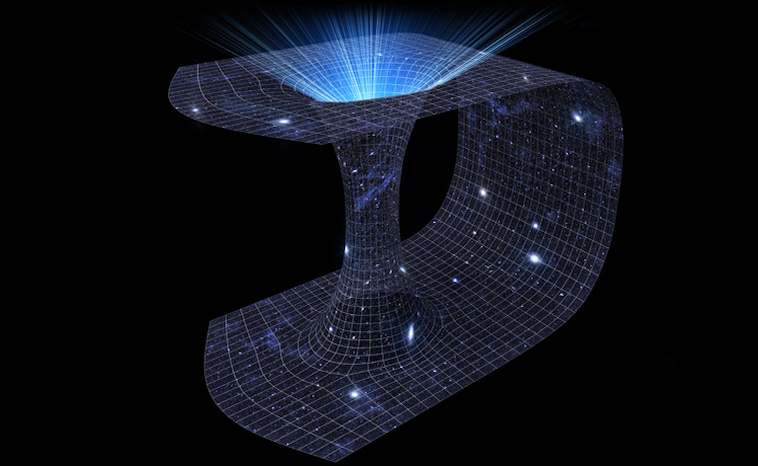

Our solar system is vast, but the nearest stars are unimaginably farther away. Reaching even Proxima Centauri, our closest stellar neighbour, with current technology would take tens of thousands of years.
However, theoretical concepts such as nuclear fusion propulsion, solar sails, and even warp drives continue to be explored. Projects like Breakthrough Starshot envision sending tiny probes to nearby stars at a fraction of light speed within this century. Interstellar travel may remain science fiction for now, but it represents humanity’s ultimate dream: venturing beyond our solar system to explore other worlds.
Space Habitats and Megastructures
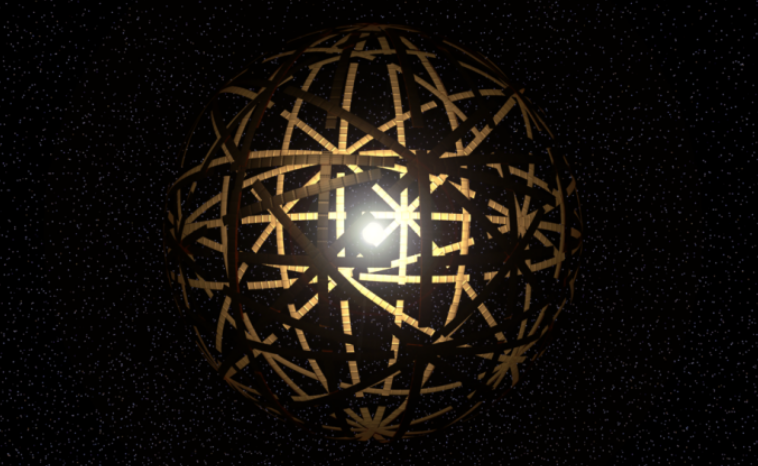
Kevin Gill from Los Angeles, CA, United States, CC BY 2.0, via Wikimedia Commons
Kevin Gill from Los Angeles, CA, United States, CC BY 2.0, via Wikimedia Commons.png)
Instead of settling hostile planets, some scientists argue it might be easier to build massive space habitats. Concepts like O’Neill cylinders – huge rotating structures that create artificial gravity – could house millions of people in space.
Even more ambitious are ideas like Dyson spheres, hypothetical megastructures that could harness the energy output of an entire star. While such concepts remain purely speculative, they illustrate just how far human imagination stretches when we think about the long-term possibilities of space.
The Search for Alien Life and Contact
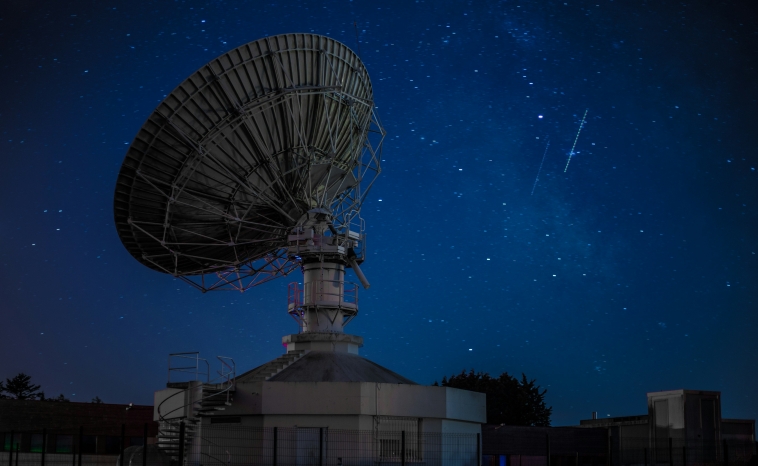
The discovery of alien life, be it microbes on Mars, ocean creatures beneath Europa’s icy shell, or intelligent civilisations across the galaxy, would change everything. Efforts like the Search for Extraterrestrial Intelligence (SETI) continue to scan the skies for signals, while upcoming missions to Europa and Enceladus aim to explore potentially habitable environments.
If we do find life beyond Earth, it will raise profound questions about our place in the cosmos and reshape humanity’s goals in space exploration.
Bringing the Stars a Little Closer
What drives humanity to push into space? It’s more than just technology or economics; it’s curiosity, survival, and the timeless desire to explore. Just as our ancestors crossed oceans and discovered new lands, our descendants may one day cross the stars.
The coming decades will bring both extraordinary challenges and unprecedented opportunities. Whether through lunar bases, Martian colonies, or interstellar dreams, the future of space exploration will shape the destiny of our species.
As we await these monumental leaps forward, you don’t have to travel to the Moon or Mars to feel connected to the cosmos. With the Online Star Register, you can name a star for someone special, bringing the wonder of the universe a little closer to home. Just as humanity is reaching for the stars, you can give a loved one their very own place in the sky!