O que é uma estrela cadente? Aprenda algumas dicas para ver uma!
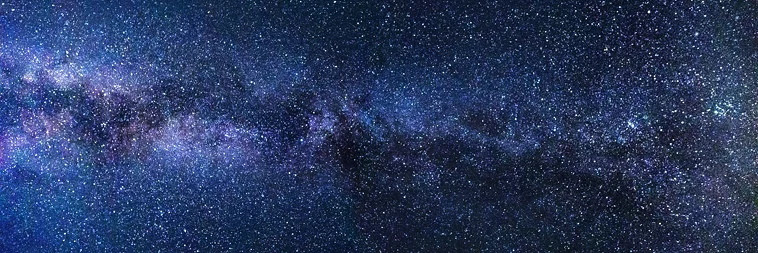
Nem sempre é fácil encontrar uma estrela cadente no céu, principalmente em zonas de muita luminosidade artificial. Mas você por acaso sabia que uma estrela cadente na verdade não é bem uma estrela, mas sim um meteorito? Aprenda mais sobre esse fenômeno incrivelmente belo.
In fact, a shooting star is a piece of a meteorite, or some other cosmic particle. It ends up becoming extremely luminous because when it enters our atmosphere it ends up catching fire due to friction, thus leaving a luminous trail wherever it goes.
What is a shooting star
In other words, they are not actually stars, but they are still celestial bodies. The average speed of a shooting star upon entering our atmosphere is more than 250 thousand KM/H. The vast majority are completely disintegrated before they even touch the ground. In fact, they don’t even reach 90 km above the Earth’s surface.
From a scientific point of view, if the celestial body in question manages to reach the surface of the Earth, its nomenclature changes completely, and it is now called a meteorite. The term meteor, or shooting star, is usually used for those cosmic particles that end up completely defragmenting when they reach our atmosphere.
Our history, there are several symbolisms attributed to this phenomenon, and it is often considered as a sign of good luck or change. But sometimes, shooting stars can also prove to be signs of bad omens.
Popular belief dictates that whoever sees a shooting star has the right to make a wish. Legend has it that the shooting star represents the exact moment when the gods are contemplating the Earth, that is, it would be the ideal moment to make a request that reaches the ears of the Gods.
Tips for seeing a shooting star
You might believe it’s a sign of good luck, or you might simply want to witness one of the most beautiful spectacles the universe can offer, as seeing a shooting star is a dream for many. The speed at which they cross the sky and then disappear over the horizon often suggests that that smoky light appears only to us, especially since it’s unlikely that more than one person will be looking at the same spot at the same time.
But seeing a shooting star isn’t that difficult, especially during a meteor shower. And you can see them with the naked eye during one of these showers.
The truth is that meteor showers are events that occur from time to time, on specific dates, and you can plan to watch the shower if you know when it will happen.
1. Mark on your calendar the main meteor showers that will occur this year.
This is the first step to seeing a shooting star. Learn about meteor showers, and on the internet you’ll find several astronomy clubs that have this information readily available. Then you just need to look for the ideal days when the shower will be at its peak. Generally, several meteors pass per hour during showers, and you have a better chance of seeing a shooting star this way.
2. Leave the city.
If you really want to see something in the night sky, it’s important to look for a Black Sky zone. These zones are far from urban centers, as these make it almost impossible to see a shooting star due to artificial lighting. In other words, escape to a more starry location if you want to witness the passage of a real shooting star.
3. Use apps to locate the constellations.
During meteor showers, it’s normal for shooting stars to appear from a specific region of the sky, called the radiant. To better orient them, some astronomers have given these showers names similar to the constellations they pass through.
For example, the Perseids in August pass through the constellation of Perseus, while the Geminids in December usually pass over Gemini. Because of this, it’s important to know the constellations and where to look during the meteor shower, and thanks to technology there are some apps that can help you do this, like ours, which you can download here.
4. Be patient.
This is the most important tip. You’re probably already in a remote location to find an area with dark skies, you’re all set, paying attention to the radiant point of the meteor shower, and you did everything on the day of the peak event. You’ll certainly end up feeling a little anxious, but stay calm. The stars are always unpredictable, and they can all appear at once or, sometimes, not at all.
Because of this, it’s good to have good company by your side while you wait, someone you can have long conversations with while you calmly await one of the greatest spectacles in the universe.
A star is definitely one of the most incredible things in all of creation, and you have to agree that there is a lot of beautiful symbolism behind them, whether they are falling or not. Have you ever thought about how special it would be to give someone a star as a gift?
That’s right, you can give someone a star as a gift, so that it bears the name of that loved one and is remembered forever, shining eternally in the cosmos. Want to know how? Just click the button below!
Did you like our content? Take a look at our blog articles and discover much more about the stars and the universe that surrounds us!