


Celestial Events Calender 2026: Astronomy events you can’t miss

The year 2026 promises to be filled with magic in the night sky. From dazzling meteor showers to breathtaking eclipses, the cosmos will showcase some of its most unforgettable wonders. The Celestial Events Calendar 2026 is your guide to experiencing every astronomical highlight without missing a single moment.
At Online Star Register (OSR) we believe these events are more than natural phenomena. They are memories written in the stars. Moments that give you goosebumps, make eyes sparkle and fill hearts with awe. With OSR, you can even Name a Star to create a personal connection to the universe. Turning these celestial events into unforgettable milestones tied to your very own star. Our mission is to bring this magic to life and add meaning to what you see above. Together, we create a sky full of memories that will shine on forever.
✨ Here’s a sneak peek at some of the celestial highlights of 2026:
- A total solar eclipse that will turn day into night.
- Several lunar eclipses, including a dramatic blood moon.
- Brilliant meteor showers lighting up the night sky.
- Supermoons appearing larger and brighter than ever.
- Rare planetary alignments and possible comet sightings.
Get ready—2026 is set to be a year of wonders written across the heavens.
What is the Celestial Events Calendar?
Imagine having a roadmap to the night sky. One that tells you when the moon will turn crimson, when meteors will rain down like fireworks and when planets will line up in a rare cosmic dance. That’s exactly what the Celestial Events Calendar offers. Often called an astronomy calendar or a calendar of astronomical events. It’s designed to guide stargazers through the universe’s most spectacular shows.
What makes 2026 so special? It’s a year overflowing with skywatching treasures. A total solar eclipse that will momentarily turn day into night, dazzling meteor showers streaking across the heavens, glowing supermoons and planetary alignments. That happens only once in a generation. For anyone who loves to look up in wonder, 2026 promises one breathtaking night after another.
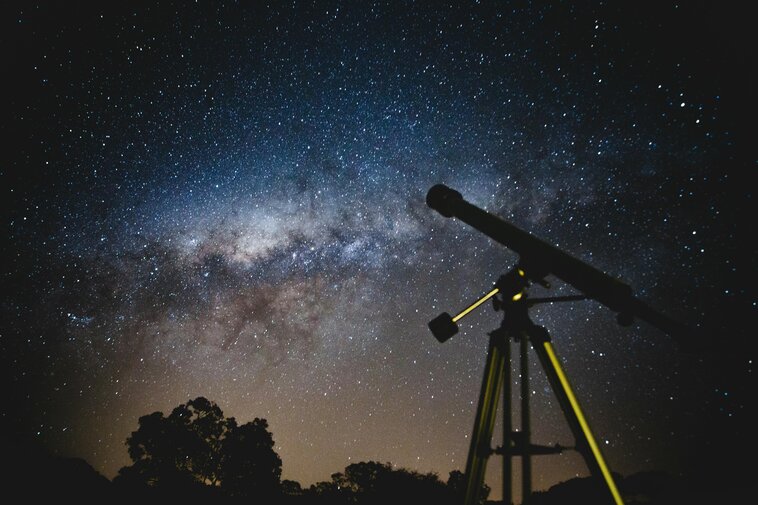
Major astronomical events in 2026
The year 2026 is brimming with cosmic wonders. From eclipses that darken the skies to meteor showers that light them up. The calendar is filled with moments designed to amaze. If you’ve ever wondered what phenomenon will happen in 2026, here’s a look at the astronomical events and space events you won’t want to miss.
Solar and lunar eclipses in 2026
Few experiences compare to the awe of watching the sun or moon vanish from sight. In 2026, stargazers will be treated to both solar eclipses and lunar eclipses, including the dramatic spectacle of a blood moon.
- August 12, 2026 – Total Solar Eclipse: One of the most anticipated events of the decade. This eclipse will turn day into night for a few unforgettable minutes. Visible across parts of the Arctic, Greenland, Iceland and Spain. It’s set to be one of the most spectacular space events of the year.
- February 17, 2026 – Partial Lunar Eclipse: A subtle yet beautiful event where Earth’s shadow will darken part of the moon.
August 28, 2026 – Total Lunar Eclipse (Blood Moon): The moon will take on a deep red hue, creating a mystical sight in the night sky. - July 17, 2026 – Partial Solar Eclipse: Visible in South America, this event offers another chance to experience the rare alignment of Earth, moon and sun.
Each eclipse is a reminder of the intricate dance of celestial bodies. A natural wonder that leaves observers humbled and amazed.
Meteor showers calendar 2026
Nothing captures the imagination quite like a sky full of shooting stars. The meteor showers of 2026 will provide multiple opportunities to make a wish under the heavens. Here are the highlights of the night sky calendar 2026:
- Perseids (August 12–13, 2026): Coinciding with the total solar eclipse, the Perseids will dazzle with up to 100 meteors per hour at their peak.
- Geminids (December 13–14, 2026): Known for their bright, multi-colored meteors, the Geminids are one of the most reliable showers of the year.
- Quadrantids (January 3–4, 2026): A short but intense burst of meteors, with up to 40 per hour under dark skies.
- Orionids (October 21–22, 2026): Debris from Halley’s Comet creates this elegant display of fast-moving meteors.
Mark these dates to witness some of the most magical nights of the year.
Planetary alignments and conjunctions
2026 will also feature planetary alignments and striking conjunctions. Moments when planets appear unusually close together in the sky. These rare alignments are not only scientifically fascinating but also visually stunning, as bright planets seem to “meet” in the heavens.
- April 2026 – Mars, Saturn and Neptune Conjunction: A beautiful gathering in the pre-dawn sky.
- October 2026 – Jupiter and Uranus Conjunction: A rare event where Jupiter, the giant of our solar system, will appear close to distant Uranus.
- March 24–25 & June 9, 2026 – Venus and the Moon: On several evenings, Venus will shine brightly near the crescent moon, offering breathtaking photo opportunities.
For astronomy enthusiasts, these phenomena are a chance to witness the grandeur of our solar system in motion.
Comets, supermoons and rare phenomena
Alongside eclipses and meteor showers, 2026 will bring even more celestial delights.
- Comet Sightings: While comet paths are harder to predict, astronomers already anticipate several visitors in 2026.
- January 4–7, 2026 – Comet 24P/Schaumasse will reach perigee and shine its brightest in the dawn sky, peaking on January 7.
- January 20, 2026 – Comet C/2024 E1 (Wierzchoś) will swing close to the Sun at perihelion, with potential to become a binocular showpiece.
- December 2026 – Comet 266P/Christensen will reach perihelion, closing the year with another chance to glimpse a cosmic traveler.
- Supermoons: When the moon reaches its closest point to Earth, it appears larger and brighter in the sky. In 2026, a striking Super Full Moon will rise on December 24. Offering photographers and stargazers an unforgettable Christmas Eve spectacle.
- Rare Events: Among the rarest celestial events are perfect alignments of multiple planets, or an unusually bright comet that becomes visible to the naked eye. These occurrences remind us just how vast and unpredictable the universe can be.
From fiery streaks of meteors to glowing blood moons, dazzling planetary encounters and even the possibility of a once-in-a-lifetime comet. 2026 will be a year written in the stars. A true gift for anyone who loves the night sky.
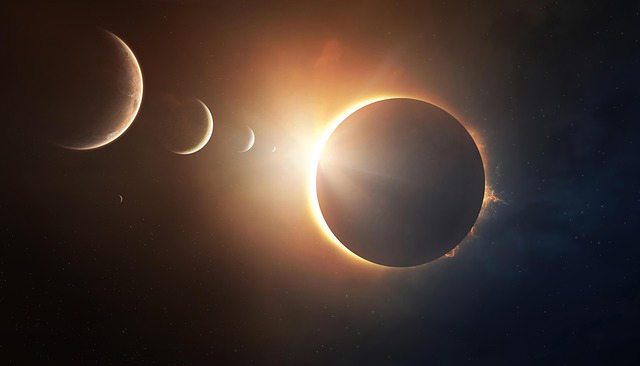
The rarest Celestial Events of 2026
Among the many wonders of the night sky, there are a few moments in 2026 that stand out as truly extraordinary. Events so rare that they may only happen once in a lifetime. These rare astronomy events are a reminder that the universe still holds mysteries waiting to be discovered.
One of the most anticipated is the total solar eclipse on August 12, 2026. While eclipses happen every year, this particular one will be exceptional. Its path of totality stretches across Greenland, Iceland, and Spain. Offering millions of people the chance to witness day turn into night. For many, standing under the shadow of the moon as the sun’s corona blazes into view is one of the rarest celestial events they will ever experience.
Another highlight is the total lunar eclipse on August 28, 2026. Often called a blood moon. During this event, Earth’s shadow will paint the moon in deep shades of red and copper, creating an otherworldly sight. Although lunar eclipses are more common than solar ones, the sheer beauty of a blood moon. Appearing as if the universe itself has set a lantern glowing in the sky. This makes it one of the most memorable spectacles of the year.
🌌 “The rarest celestial events remind us that the universe is not just to be observed, but to be experienced with awe, wonder and open hearts.”
These rarest celestial events do more than mark dates on a calendar. They connect us to the rhythm of the cosmos. They remind us how small we are in the grand expanse of the universe and yet how privileged we are to witness its most magical performances.
How to watch astronomical events
Knowing when an event will happen is only half the magic—knowing how to watch it makes the experience unforgettable. If you’re wondering how to watch astronomical events in 2026, here are some simple tips to get the most out of your stargazing calendar.
- Find dark skies: Light pollution can dim the brilliance of meteor showers and eclipses. Head outside the city, into nature or to designated dark-sky reserves for the clearest views.
- Check the weather: Cloud cover can hide even the most spectacular events. Keep an eye on local forecasts and be ready to change locations if needed.
- Bring the right gear: While many celestial events can be enjoyed with the naked eye, a simple pair of binoculars or a small telescope can reveal incredible detail. Like craters on the moon during a supermoon or the glowing corona during a solar eclipse.
- Use star maps and apps: A star chart or astronomy app will help you locate planets, constellations and alignments. The OSR Star Finder app is especially useful, allowing you to point your phone at the night sky and instantly identify constellations. Including any you’ve named yourself.
- Make it an experience: Pack a blanket, a warm drink and maybe even invite friends or family. Stargazing is as much about the shared memory as it is about the science.
With a little preparation, the astronomical events of 2026 won’t just be something you read about. They’ll be magical moments you’ve truly lived under the open sky.
Celestial Events Calendar 2026 for stargazers
The Celestial Events Calendar 2026 isn’t just a tool for astronomers with telescopes, It’s a gateway for anyone who feels the pull of the night sky. Think of it as your invitation to step outside, look up and be part of the universe’s most dazzling performances. This astronomy calendar for beginners makes it easy to join in. Whether you’re stargazing alone, with friends or sharing the magic with children.
- For beginners: You don’t need expensive equipment to get started. Choose a simple event. Like a supermoon glowing on the horizon or a meteor shower streaking across the heavens, and let yourself be amazed. The universe doesn’t ask for expertise—it only asks for wonder.
- For families and kids: The night sky is the ultimate classroom. Watching space events with kids can turn science into an adventure. Hand them a star map, let them spot the Big Dipper or count meteors together as they flash by. It’s learning, magic and memory-making all at once.
- Make it a tradition: What if every year, your family gathered to watch the Perseids in August? Or friends met to share the sight of a glowing blood moon? Following the celestial calendar can become a ritual. One that weaves stargazing into the fabric of your life, creating memories as timeless as the stars themselves.
The beauty of the guide to celestial events 2026 is that it belongs to everyone. You don’t need to be an expert. You just need to look up, breathe in the wonder and let the universe remind you how magical the night can be.
Frequently Asked Questions about Celestial Events 2026
What is the celestial events calendar?
The celestial events calendar is like a roadmap to the universe. It shows you exactly when spectacular events – such as solar eclipses, lunar eclipses, meteor showers, supermoons, and planetary alignments—will take place. Instead of missing these fleeting wonders, the calendar helps you plan ahead. So you can step outside, look up, and experience the night sky at its most magical.
What phenomenon will happen in 2026?
2026 is a dream year for stargazers. Some of the highlights include:
- August 12, 2026 – Total Solar Eclipse. When day will turn into night across parts of Europe and the Arctic.
- August 28, 2026 – Total Lunar Eclipse (Blood Moon). With the moon glowing in deep shades of red.
- Perseids Meteor Shower (August 12–13). Dazzling with up to 100 shooting stars per hour.
- December 24, 2026 – Supermoon on Christmas Eve. Rising larger and brighter than usual.
- Rare planetary alignments. Such as Jupiter meeting Uranus in October.
Together, these events make 2026 one of the most remarkable stargazing years of the decade.
What is the rarest celestial event in 2026?
The total solar eclipse on August 12, 2026 is the rarest event of the year. Seeing the sun completely covered by the moon is a once-in-a-lifetime moment for many people. And the path of totality will pass over millions of viewers. Another rare wonder is the blood moon on August 28. When the Earth’s shadow transforms the moon into a glowing lantern of red and copper. These moments remind us just how extraordinary and mysterious the universe truly is.
How can beginners start stargazing in 2026?
You don’t need fancy equipment to begin. Start simple:
- Choose an easy event like a supermoon or meteor shower.
- Find a spot away from city lights.
- Download a stargazing app, such as the OSR Star Finder, to identify constellations and planets.
- Bring a blanket, a warm drink, and just enjoy the view.
Stargazing is not about expertise—it’s about wonder. Each time you look up, you’ll learn a little more about the sky.
How can I watch astronomical events safely?
Some events require extra care:
- For solar eclipses, never look at the sun without certified eclipse glasses or a solar filter for telescopes/binoculars.
- Lunar eclipses, meteor showers, and supermoons are safe to watch with the naked eye. Binoculars or a telescope can add details. Like seeing the moon’s craters or the tails of comets.
- Always check the local weather forecast and plan ahead.
Can kids enjoy the celestial events calendar?
Absolutely! Stargazing is one of the most magical activities for children. It turns science into a story written in the stars. Together you can:
- Count meteors during the Perseids.
- Watch the moon slowly disappear during an eclipse.
- Spot the Big Dipper or Orion’s Belt with a star map.
For kids, these experiences spark curiosity, inspire imagination and create family memories that last a lifetime.
How can I make the celestial events calendar part of my life?
Think of it as a tradition. Every August, gather friends or family to watch the Perseids. Celebrate a supermoon by taking photos or making a wish. Or mark a rare eclipse with your loved ones, turning it into a memory you’ll never forget. The calendar isn’t just about dates—it’s about creating shared moments under the night sky.
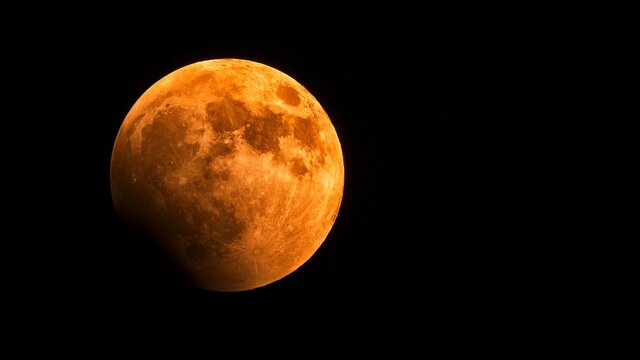
A year of wonders in the night sky
From breathtaking solar and lunar eclipses to dazzling meteor showers, glowing supermoons and rare planetary alignments. The Celestial Events Calendar 2026 is filled with reasons to look up. Each event is a reminder that the universe is alive with beauty, mystery and awe-inspiring phenomena waiting to be discovered.
But these events are more than dates on a calendar. They are opportunities to create memories. Whether you’re watching a blood moon with loved ones, making a wish on a shooting star or standing in awe as the day briefly turns to night during a solar eclipse – 2026 promises moments that will stay with you forever.
At Online Star Register we believe the night sky is not just to be observed, but to be experienced. And with the chance to Name a Star, you can go one step further: turning a fleeting celestial moment into a personal memory that will shine in the heavens for a lifetime. Together, we build a sky full of memories—a universe where your story becomes part of the stars.