The Science Behind Shooting Stars
Ever wondered what shooting stars actually are? Explore the science behind these dazzling night sky streaks and why they’re more than just cosmic wishes.
They dart across the sky in a brilliant flash – fleeting, magical, and often accompanied by a wish. But what exactly are shooting stars? Despite their name, they’re not stars at all. In fact, these spectacular celestial streaks are tiny fragments of space debris burning up in Earth’s atmosphere.
In this article, we’ll uncover the fascinating science behind shooting stars, including what causes them, why they glow, where they come from, and when and where you can see them. Plus, we’ll take a look at some of the myths and misconceptions that have followed these fiery travellers for centuries!
- What Is a Shooting Star?
- Why Do Shooting Stars Glow?
- Where Do Meteoroids Come From?
- Are Shooting Stars Dangerous?
- What Are Fireballs and Bolides?
- When Can You See Shooting Stars?
- Are Shooting Stars Really Stars?
- The Origins of the Wish on a Shooting Star
- Shooting Stars in Mythology and Culture
- Why Do Shooting Stars Matter?
- Name a Star and Make a Wish Come True
What Is a Shooting Star?
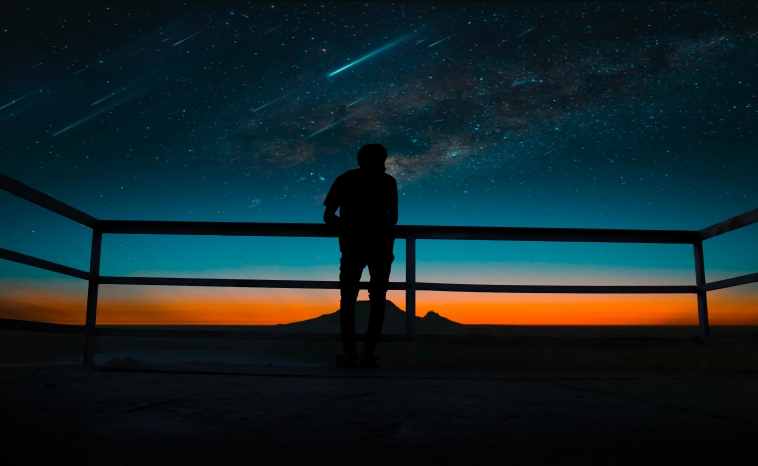
A shooting star, also known as a meteor, is a streak of light caused by a piece of space debris – usually no larger than a grain of sand – entering Earth’s atmosphere at high speed. As this material burns up from friction with the air, it produces a brief, glowing trail.
Most shooting stars are caused by meteoroids, small bits of rock or metal from asteroids or comets. When these meteoroids enter the atmosphere and create light, they’re called meteors. If a fragment survives the journey and lands on Earth, it’s called a meteorite.
Quick Breakdown:
- Meteoroid = object in space
- Meteor = light streak in the atmosphere
- Meteorite = object that reaches Earth’s surface
Why Do Shooting Stars Glow?
As a meteoroid plummets toward Earth, it collides with molecules in the upper atmosphere at speeds ranging from 11 to 72 kilometres per second (that’s up to 160,000 mph!). These collisions generate extreme heat, vaporising the meteoroid and ionising the surrounding air.
The bright glow we see is a combination of:
- The heated meteoroid itself
- Excited atmospheric gases emitting light
- A plasma trail created by ionised particles
This flash lasts only a second or two, but in that moment, a shooting star can shine brighter than Venus or even rival the Moon on rare occasions.
Where Do Meteoroids Come From?
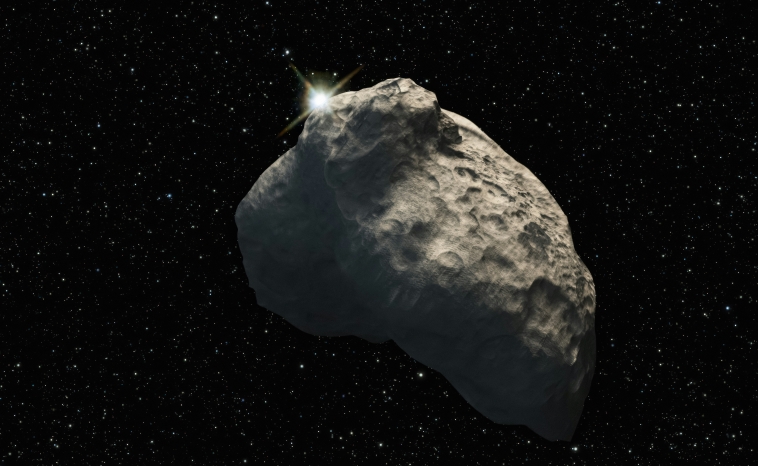
Meteoroids come from several sources:
1. Asteroids
Most meteoroids are fragments of asteroids, rocky bodies that orbit the Sun, mainly between Mars and Jupiter. Collisions between asteroids create smaller pieces that can drift toward Earth.
2. Comets
Some meteoroids are shed by comets as they approach the Sun. These icy bodies release dust and debris, forming a trail that Earth may pass through. When that happens, we get a meteor shower.
3. Moon and Mars
Rarely, large impacts on the Moon or Mars can send rock fragments into space. A few of these eventually fall to Earth, where scientists study them as meteorites.
Are Shooting Stars Dangerous?
Generally, no. The vast majority of meteoroids that enter Earth’s atmosphere burn up harmlessly before they reach the ground. On rare occasions, larger objects survive and cause damage, such as the Chelyabinsk meteor in 2013, which exploded over Russia and injured over 1,000 people due to shockwaves.
However, such events are extremely rare. Most shooting stars are no bigger than a pebble and disintegrate long before reaching the ground.
What Are Fireballs and Bolides?
Not all meteors are created equal. Some are especially bright and dramatic!
Fireballs
These are very bright meteors, typically brighter than magnitude -4 (the brightness of Venus). Fireballs may explode or flare dramatically during their descent.
Bolides
A bolide is a fireball that explodes in a visible burst. These explosions can sometimes be heard as sonic booms. Bolides often fragment into multiple pieces and may even create meteorites.
When Can You See Shooting Stars?
Shooting stars can appear at any time of year, but your best chance to see them is during a meteor shower. That’s when Earth passes through a dense trail of debris left by a comet.
Top Meteor Showers to Watch
1. Perseids (August)
- Peak: Around August 11–13
- Rate: 60–100 meteors per hour
- Origin: Comet Swift–Tuttle
- Visibility: Best viewed in the Northern Hemisphere
2. Geminids (December)
- Peak: Around December 13–14
- Rate: Up to 120 meteors per hour
- Origin: Asteroid 3200 Phaethon
- Unique Feature: One of the few showers from an asteroid
3. Quadrantids (January)
- Peak: Early January
- Rate: 40–100 meteors per hour
- Short peak time, but bright meteors
4. Lyrids (April)
- Peak: Around April 22
- Rate: 10–20 meteors per hour
- Known for occasional bright fireballs
How to Watch a Meteor Shower
- Find a dark sky location away from city lights.
- Let your eyes adjust to the dark for at least 20–30 minutes.
- Look up and be patient – the best viewing is usually after midnight.
- Use a star map or app like the OSR Star Finder App to identify constellations and meteor origins (called radiants).
Are Shooting Stars Really Stars?
It’s a common misconception, but shooting stars are not actual stars. Real stars are massive, burning spheres of gas located trillions of kilometres away. Meteors, by contrast, are tiny bits of rock or metal that briefly glow in our atmosphere.
So why the name? The fast-moving light streak of a meteor resembles a star that has suddenly fallen – hence, the poetic term “shooting star.”
The Origins of the Wish on a Shooting Star
The idea of making a wish on a shooting star dates back thousands of years. Ancient cultures viewed these sudden flashes as messages from the gods or glimpses into the heavens.
The Greek astronomer Ptolemy believed shooting stars occurred when gods peeked down through the celestial sphere, offering a chance for humans to be heard. That’s where the tradition of wishing upon a shooting star may have begun.
Even today, the idea lives on in popular culture. Whether or not your wish comes true, the experience of seeing one is magical enough in itself.
Shooting Stars in Mythology and Culture
Shooting stars have captivated people across time and cultures:
- In Japan, a shooting star might symbolise the soul of a departed person.
- Native American tribes often viewed meteors as spiritual omens.
- In Europe, they were seen as souls entering Heaven or as signs of major events to come.
- Islamic tradition describes meteors as missiles hurled at rebellious jinn (spirits) by angels.
Though science has long since explained the true nature of shooting stars, their mystique – and fascinating legends – continue to live on!
Why Do Shooting Stars Matter?
Beyond their beauty, meteors and meteorites are windows into the early solar system itself. Many are billions of years old – older than Earth! By studying them, scientists gain insights into the conditions that led to the formation of planets and the ingredients of life.
Some meteorites even contain amino acids, the building blocks of life. Could similar impacts have helped seed life on Earth? It’s an open question in astrobiology.
Name a Star and Make a Wish Come True
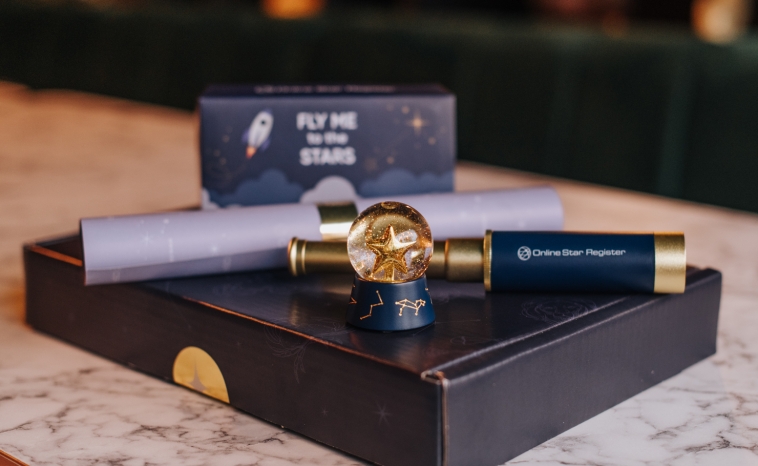
While shooting stars can’t be captured, you can create a permanent connection to the cosmos. With the Online Star Register, you can name a star for someone special, turning a fleeting phenomenon into an everlasting gift.
Choose from a range of personalised packages:
- Online Star Gift: A fast and fully digital option, perfect for last-minute gifts.
- OSR Gift Pack: Includes printed documents and star maps delivered in elegant packaging.
- Super Star Gift: The ultimate stargazing experience with accessories like a telescope and VR set.
- OSR Gift Card: Let your recipient choose their star and constellation.
Each gift includes access to the OSR Star Finder App, a personalised star certificate, and the coordinates of your star, so you can locate it in the night sky again and again!